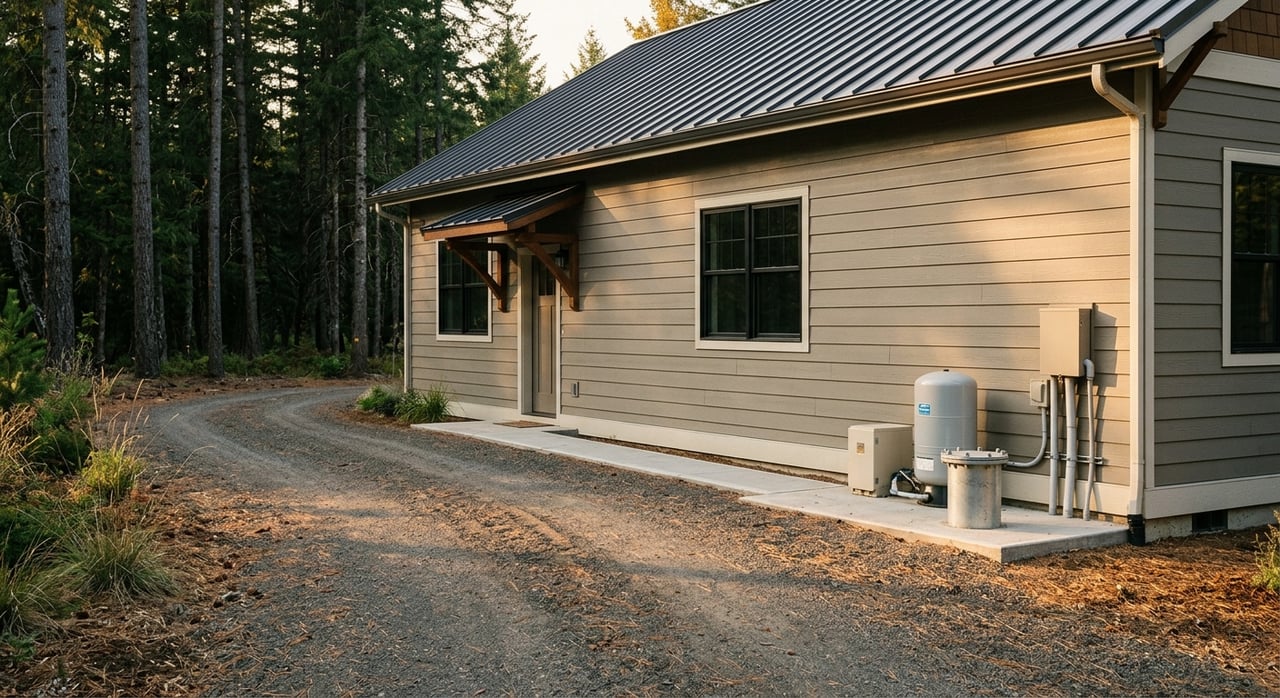
Thinking about trading city convenience for elbow room in Palo Cedro? Rural living can be incredibly rewarding, but it also comes with details that matter long before closing day. If you want more land, privacy, or room for future projects, this guide will help you understand what to check so you can buy with confidence. Let’s dive in.
Why Palo Cedro Appeals to Rural Buyers
Palo Cedro offers a mix that many buyers are looking for: a town-center setting within Shasta County, plus access to more rural parcels with extra space and flexibility. That can mean everything from homes connected to local water and sewer service to properties that rely on private wells and septic systems.
According to Shasta County’s 2020-2028 Housing Element, Palo Cedro is one of the county’s town centers where water and sewer service are available, although capacity is limited to planned densities within existing service district areas. For you as a buyer, that means each property may have a very different setup, even within the same general area.
Start With the Utility Setup
When you buy a rural or semi-rural property, the home itself is only part of the decision. One of the first things to confirm is whether the property is served by CSA #8 water and sewer or depends on a private well and onsite wastewater system.
Shasta County’s water and sewer information for CSA areas notes that Palo Cedro has CSA #8, and the county’s 2024 consumer confidence report said that system’s tap water met EPA and state drinking-water standards for the year. Still, many properties in the wider Palo Cedro area use private systems, so you should verify the exact utility arrangement for the parcel you are considering.
What to ask about wells
If a property has a private well, ask for any available well logs, repair records, and recent water test results. Private wells can work very well, but they shift more responsibility to you as the owner.
The EPA recommends annual private well testing for total coliform bacteria, nitrates, total dissolved solids, and pH. Shasta County’s private-well guidance also recommends keeping animal enclosures and septic systems at least 100 feet from a domestic well.
What to ask about septic systems
If the property uses septic, ask for septic permits, pumper reports, inspection records, and any information on replacement areas. This is especially important if you plan to remodel, add bedrooms, or make other changes later.
Shasta County Environmental Health requires permits for new or replacement septic tanks and leach fields, and county rules also require permits for well construction, abandonment, deepening, and repairs. The EPA also says septic tanks are generally inspected every 1 to 3 years and pumped every 3 to 5 years.
Check Zoning and Future Use Early
A rural property can look perfect at first glance, but your plans for it may depend on zoning, land-use rules, and general-plan designations. If you hope to build a shop, add another structure, keep certain animals, or divide the property later, you need to confirm what is allowed.
Shasta County Planning says zoning and general-plan designations control what can be built, and the county can verify a parcel’s status through its hotline, GIS map, or written land-use verification process. You can review county planning resources through Shasta County Planning Services.
If you may build or subdivide later
For buyers looking at acreage, future potential matters. A parcel that seems large enough for expansion may still face limits tied to wastewater placement, well setbacks, and land-division standards.
Shasta County’s land-division standards require parcel maps for lots served by onsite wastewater systems to show dispersal areas, percolation-test results, and well sites with a 100-foot setback radius. In plain terms, usable land is not always the same as buildable land, so due diligence matters.
Look Closely at Roads and Access
Rural living often means your access road, driveway, culverts, and gates deserve just as much attention as the home. Before you make an offer, find out who owns and maintains the road leading to the property.
Shasta County Public Works maintains many roads throughout the county, but Permanent Road Divisions are separate entities that may construct or maintain private roads without making them part of the county-maintained road system. Some properties may also rely on purely private road arrangements.
Why driveway standards matter
If you plan to build, remodel, or replace structures, driveway compliance can become a bigger issue than many buyers expect. A rural driveway connecting to a county road may need specific improvements.
Shasta County’s residential driveway standards say an encroachment permit is required, and the driveway must generally be paved with asphalt or concrete for at least ten feet from the edge of the county road or to the right-of-way line before a building permit is finaled. Depending on the site, the county may also require sight-distance improvements, culverts, or a paved dip.
Addressing supports emergency response
In more rural areas, clear addressing is not just a convenience. It supports fire and sheriff response, which makes road naming and visible address information an important part of evaluating the property.
Wildfire Risk Should Be Part of Your Budget
In Shasta County, wildfire exposure is part of the conversation for many rural properties. That does not automatically make a property a bad fit, but it does mean you should understand the parcel’s fire-hazard context and what mitigation may be expected.
Shasta County provides Fire Hazard Severity Zone information for State Responsibility Areas and Local Responsibility Areas. CAL FIRE guidance highlights 100 feet of defensible space as a common baseline, and annual grass is generally kept to four inches or less.
Insurance quotes should come early
One of the smartest moves you can make is getting insurance information before you are deep into the transaction. Availability, coverage terms, and pricing can vary from parcel to parcel.
The California Department of Insurance says CAL FIRE hazard maps do not determine insurance rates or availability. Insurers use catastrophe models when deciding what they will write, and the department also notes that the FAIR Plan is the state’s insurer of last resort, with separate policies needed for some standard coverages.
Understand Animal and Land-Use Rules
For many buyers, rural living includes space for animals, gardening, or small-scale agricultural use. That can be a major benefit, but the rules still matter and may vary by parcel size or zoning.
Shasta County Animal Regulations serves unincorporated areas and handles issues such as nuisance barking, kennel inspections, dangerous dogs, and emergency evacuation of animals. The county also notes a Closed Range process that can require agricultural property owners to keep livestock within fenced areas.
Small-lot agriculture rules may apply
In December 2024, Shasta County adopted an ordinance expanding small-lot agriculture rules to allow chickens, ducks, geese, rabbits, or similar small livestock on some lots where they were not previously allowed because of parcel size or zone limits. The county also states that goats and sheep are allowed only if associated with an educational agricultural program.
If animals are part of your plan, confirm the current rules for the exact parcel through Shasta County Animal Regulations and county planning resources before you move forward.
Best Questions to Ask Before You Offer
A strong offer on a rural property is not just about price. It is about knowing what you are buying and how the property works day to day.
Here are some smart questions to ask early:
- Is the property connected to CSA #8 water and sewer, or does it use a private well and septic system?
- If it uses private systems, are well logs, water-test results, septic permits, and pumper reports available?
- Who owns and maintains the road, driveway, culverts, ditches, or gates?
- Is the road county-maintained, part of a PRD, or fully private?
- What are the parcel’s zoning, general-plan designation, and fire-hazard severity zone?
- If you want to remodel or build later, what county reviews or permits may apply?
- What does the insurance picture look like for the exact parcel, not just the surrounding area?
You can also review the county’s building permit process to better understand how planning, building, environmental health, and fire-safety review may intersect on future improvements.
A Practical Way to Evaluate Fit
When you tour homes in Palo Cedro, it helps to think beyond finishes and square footage. A property with more land may offer more freedom, but it can also come with more maintenance, more systems to monitor, and more research upfront.
That is why rural buyers often benefit from a checklist mindset. Water source, septic capacity, access, wildfire preparedness, insurance, and land-use rules all shape whether a property fits your goals.
If you want guidance as you compare homes, acreage, or rural properties in Palo Cedro and across Shasta County, Dustin Foster offers no-pressure, local insight to help you ask the right questions and move forward with confidence.
FAQs
What should homebuyers check first on a rural Palo Cedro property?
- Start by confirming whether the property uses CSA #8 water and sewer or a private well and septic system, because that affects maintenance, inspections, and future plans.
How often should a private well in Palo Cedro be tested?
- The EPA recommends testing a private well annually for total coliform bacteria, nitrates, total dissolved solids, and pH.
What septic information should Palo Cedro buyers request?
- Ask for septic permits, inspection or pumping records, and any details about replacement areas, especially if you may remodel or add bedrooms later.
Why does road maintenance matter when buying rural property in Palo Cedro?
- Road ownership and maintenance can affect access, repair responsibility, and possible future improvement costs, especially if the road is not county-maintained.
Do CAL FIRE hazard maps decide home insurance availability in Palo Cedro?
- No. The California Department of Insurance says CAL FIRE hazard maps do not determine insurance rates or availability, so you should get parcel-specific insurance quotes early.
Can you keep animals on a rural property in Palo Cedro?
- It depends on the parcel’s zoning, size, and county rules, so you should verify allowed animal uses with Shasta County before making an offer.