Ready to buy your first home in Anderson, CA, but not sure where to start? You’re not alone. Buying in today’s market can feel complex, yet Anderson offers real opportunities if you understand local prices, loans, and the process. In this guide, you’ll find clear steps, realistic costs, loan options that fit Shasta County, and local resources to help you move forward with confidence. Let’s dive in.
Anderson at a glance in 2026
Anderson is a small city with big value for first-time buyers. The population is about 11,170, with roughly 57.6% of homes owner-occupied and a median owner-occupied home value near $272,000, according to the latest U.S. Census QuickFacts. This baseline supports the idea that entry-level ownership is still achievable here compared with many California markets.
Median homes in Anderson are in the low-to-mid $300k range. Recent snapshots show a median sale price of about $335,000 (Jan 2026), a Zillow Home Value Index near $328,000 (Jan 2026), and late 2025 list prices around $325,000. Market tempo reports point to average days on market around 70 to 76 days and a sales-to-list price ratio near 99% in recent months. Price per square foot has hovered around $250 to $260, and median rents have been reported in the low $1,300s. Together, those numbers suggest that buying can be competitive but manageable with a strong plan.
What you’ll find in Anderson
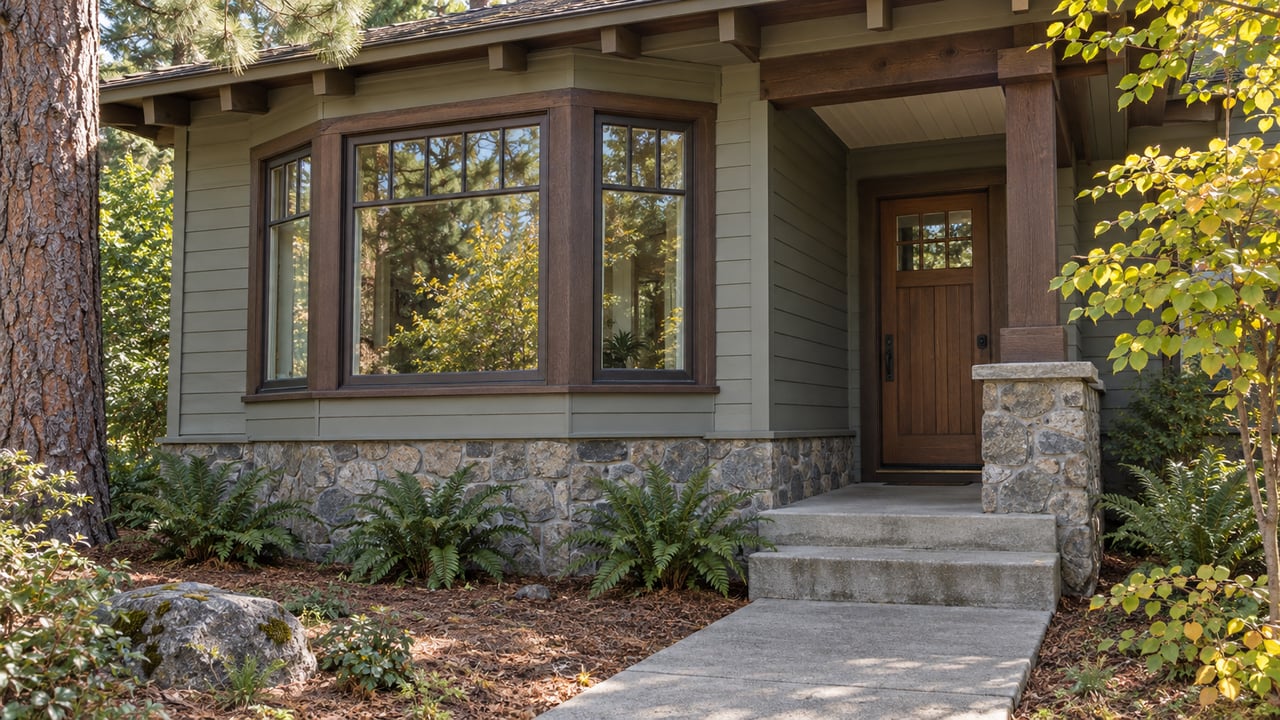
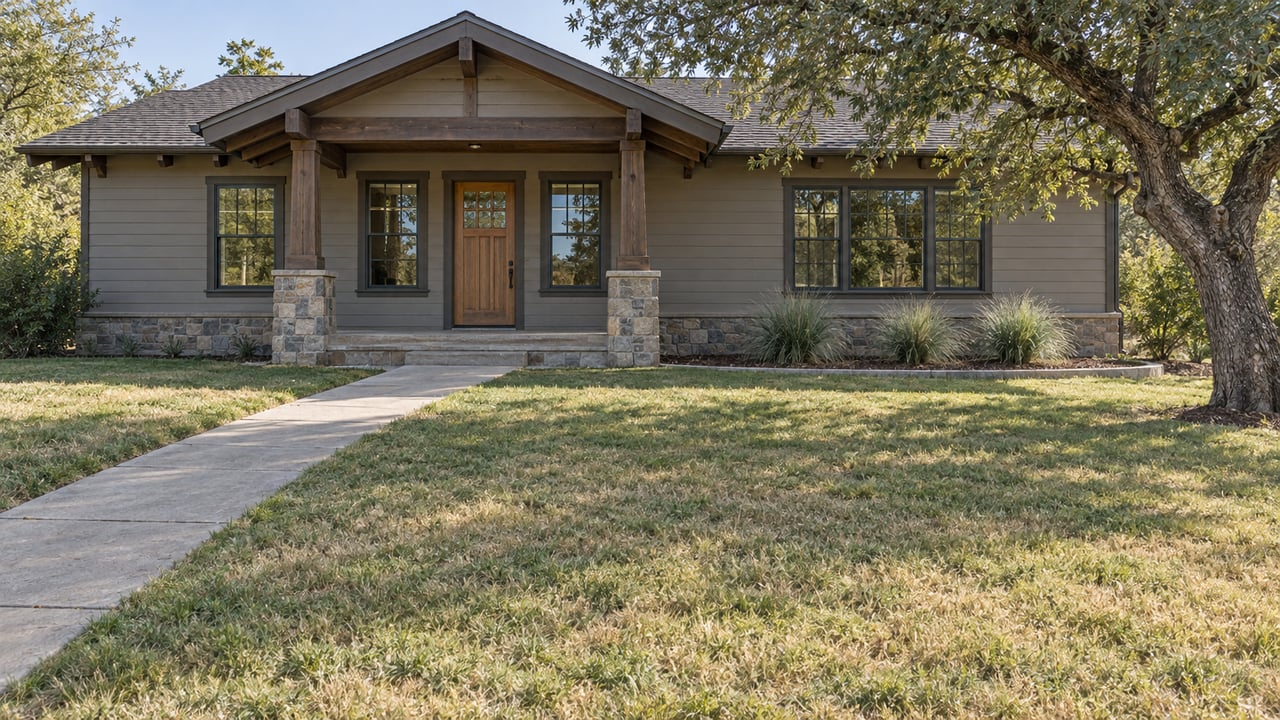
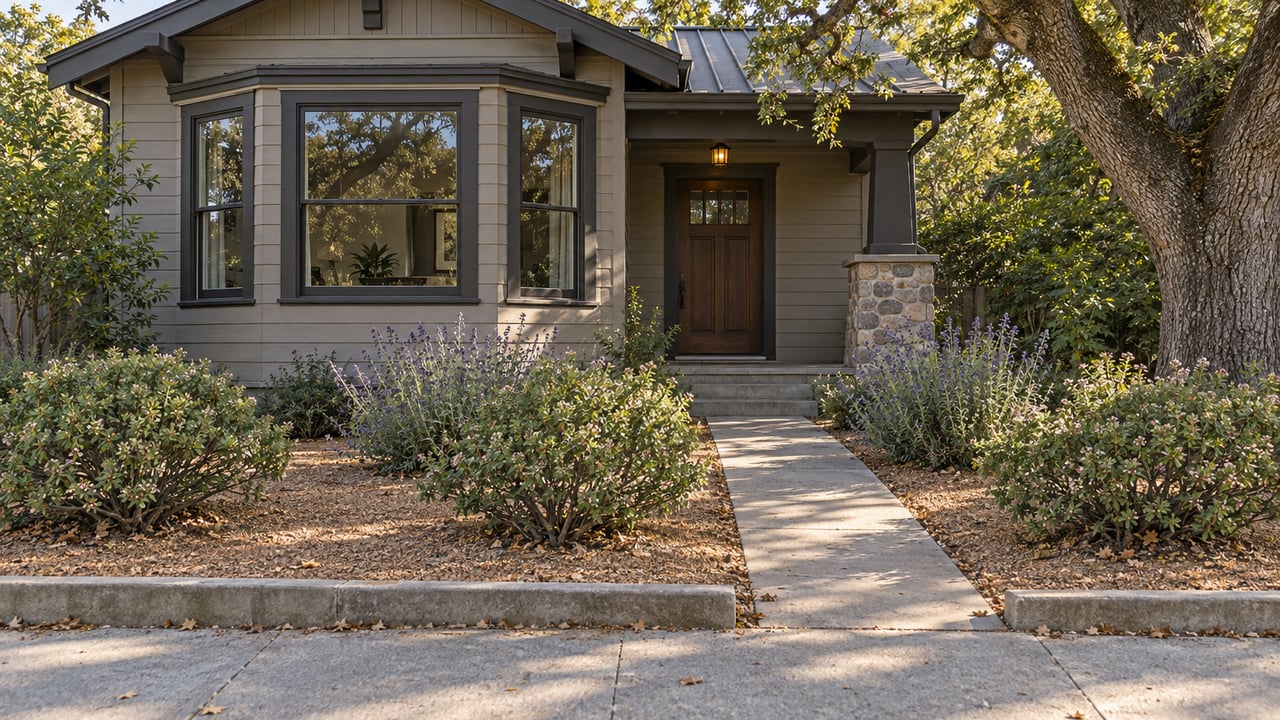
You’ll see a lot of single-family homes, plus some manufactured homes and a handful of rural or acreage parcels just outside town. Commonly referenced submarkets include Cascade and Happy Valley. Many buyers like Anderson for small-town living with convenient access to Redding about 10 miles north and recreation near the Sacramento River.
Because some homes are older, plan to budget for thorough inspections. A general home inspection, pest/termite, roof, and HVAC checks are smart. For rural-style properties, add septic and well evaluations. Also ask about HOA rules where applicable and check for any flood adjacency, utility easements, or agricultural considerations.
Your step-by-step plan
Step 1: Money and credit check (week 0–1)
- Pull your credit and fix any quick issues. A FICO of 580 or higher can qualify you for 3.5% down with FHA. Many conventional and state-assistance products look for 620 or higher.
- Aim for a debt-to-income ratio under about 45% as a practical target, though lenders vary.
- If considering FHA, learn how mortgage insurance works so you can budget your monthly payment. A typical FHA loan includes an upfront mortgage insurance premium of about 1.75% that can be financed and an annual MIP paid monthly. See a simple explainer on FHA mortgage insurance to understand the parts.
Step 2: Research programs and pick a lender (week 1–2)
- Contact at least two local lenders who actively do FHA, VA, and USDA, plus one who works with CalHFA programs.
- Get a full preapproval, not just a soft prequalification.
- If you’re exploring USDA, confirm your lender is approved for the USDA Guaranteed Loan program.
Step 3: Build a target budget (week 1)
- Use Anderson’s typical price point to sketch costs. Example: 3.5% down on a $330,000 home is about $11,550.
- Estimate closing costs at about 2% to 4% of the purchase price.
- Include property taxes (about 1% base under Prop 13, plus local assessments), homeowners insurance, any HOA dues, and mortgage insurance if applicable.
Step 4: Home search and offer strategy (ongoing)
- With days on market often around two to two-and-a-half months and sales-to-list near 99%, your offer should be clean, realistic, and well supported by a strong preapproval.
- Be ready with earnest money appropriate for our market and discuss options like an escalation clause or flexible dates if competition is present.
- Do not waive essential inspections unless you fully understand the risk.
Step 5: Inspections and local checks (after acceptance)
- Schedule a general inspection plus pest/termite, roof, and HVAC. For rural properties, add septic and well tests.
- In California, sellers must provide a Natural Hazard Disclosure. In wildfire-prone zones, you may also see additional defensible-space and related requirements. Check Shasta County’s Fire Hazard Severity Zones to understand your parcel’s designation.
Step 6: Appraisal and loan clearance
- The appraisal must support the value. FHA and VA have program-specific appraisal standards and property conditions. USDA also has eligibility checks.
- Build in reasonable time for underwriting and any repair negotiations. Learn more about FHA guidance from HUD’s FHA Info page.
Step 7: Final walk-through and closing
- Confirm agreed repairs and property condition before signing.
- Ask your agent about strategies to offset closing costs, such as seller credits where permitted or layering eligible assistance.
Loan programs that work in Shasta County
FHA: flexible entry with low down
- Why buyers use it: as little as 3.5% down with a 580+ FICO and more flexible credit rules than many conventional loans. FHA loans include upfront and annual mortgage insurance that affect your monthly payment. See a plain-English MIP overview above and confirm exact costs with your lender.
- Local limit: FHA county limit (Shasta County) for 2026 is $541,287 for a 1-unit home. That comfortably covers typical Anderson prices. You can confirm national and program guidance on HUD’s FHA page and see county limit summaries at LendingTree’s FHA limits overview.
VA: 0% down for eligible veterans
- VA loans commonly allow 0% down for eligible service members and veterans, no monthly PMI, and competitive rates. A one-time funding fee may apply unless exempt.
- You’ll need a Certificate of Eligibility and to plan to occupy the home. Review eligibility and next steps at VA’s home loan hub.
USDA: 100% financing for eligible areas
- USDA Guaranteed Loans offer 100% financing for eligible rural properties. There are two tests: the property must be in a USDA-eligible area and household income must fall within limits, often up to about 115% of the area median.
- Some parcels around Anderson may qualify, but eligibility changes, so check each address with your lender using the USDA program page.
Pairing assistance: CalHFA and local options
- CalHFA’s MyHome Assistance Program can help with down payment or closing costs when paired with an eligible CalHFA first mortgage. You must meet program rules and complete homebuyer education. See details at CalHFA’s homebuyer programs.
- Locally, the City of Anderson’s Homeowner Assistance Program has historically offered loans to income-qualified first-time buyers. The program page currently notes it is out of funding. Check status, waitlists, and county rehab programs on the Shasta County Housing & Community Action Programs page.
Smart budgeting for Anderson
- Example costs on a $330,000 purchase:
- Down payment at 3.5%: about $11,550.
- Closing costs estimated at 2% to 4%: about $6,600 to $13,200.
- Monthly payment components: principal and interest, property taxes, homeowners insurance, HOA dues if any, and mortgage insurance where applicable.
- Ask your lender for a side-by-side showing FHA with MIP, VA with a funding fee, and USDA with zero down so you can compare true monthly and cash-to-close.
How to write a strong first offer
- General tips for Anderson: Submit a complete package with a current preapproval, offer a fair earnest deposit, keep timelines realistic, and be flexible on possession if the seller needs a short rent-back. In a small-city market like ours, a clean, well-documented offer often beats a higher but riskier one.
Scenario A: FHA buyer with 3.5% down
- Package: preapproval letter showing AUS findings, proof of funds for down payment and closing costs, and an offer near market value based on comps.
- Strategy: consider a slightly stronger earnest deposit, reasonable inspection and loan contingencies, and a short but achievable escrow period.
- Notes: Budget for FHA mortgage insurance and be ready for FHA appraisal-related repairs if flagged.
Scenario B: VA buyer with 0% down
- Package: VA preapproval and Certificate of Eligibility, proof of earnest deposit funds, and lender’s VA appraisal timeline.
- Strategy: if needed, request seller credits up to allowable limits to reduce closing costs. Emphasize strong local lender support to ease appraisal and MPR questions.
- Notes: Many sellers view VA offers favorably when they are well prepared and supported by a responsive lender.
Local resources and next steps
- Demographics and housing baseline: U.S. Census QuickFacts — Anderson
- FHA program and guidance: HUD — FHA Info
- FHA county limit context: FHA loan limits overview
- VA loans: VA home loan program
- USDA loans: USDA Guaranteed Loan program
- State assistance: CalHFA — Homebuyer programs
- Local assistance: Shasta County — City of Anderson Homeowner Assistance Program
- Fire and hazard research: Shasta County Fire Hazard Severity Zones
Buying your first home is a big step, and having a trusted local advisor makes it easier. If you want a clear plan tailored to your budget, neighborhoods, and timeline, connect with Dustin Foster for a no-pressure consultation.
FAQs
What is a realistic first-home budget in Anderson in 2026?
- Recent snapshots place median homes in the low-to-mid $300k range, with a median sale price around $335,000 in Jan 2026; build your budget around that range plus closing costs and monthly expenses.
Which loan works best for first-time buyers in Anderson?
- It depends on eligibility and credit: FHA is popular for 3.5% down, VA is excellent for eligible veterans with 0% down, and USDA can be strong for eligible rural properties with 100% financing.
Can I use USDA financing inside or near Anderson?
- Some parcels around Anderson may qualify, but USDA eligibility is property-by-property and income-limited, so have your lender check the USDA tool for each address.
What inspections should I plan for in Anderson?
- Plan on a general inspection, pest/termite, roof, and HVAC, plus septic and well tests for rural-style properties; also review local hazard and wildfire maps for defensible-space requirements.
Does Anderson have down payment assistance?
- The City of Anderson program has historically offered assistance but is currently listed as out of funding; check Shasta County’s page for status and consider state options like CalHFA’s MyHome.
How competitive are offers in Anderson right now?
- With recent sales-to-list ratios near 99% and moderate days on market, well-prepared offers with strong preapproval, clean terms, and realistic pricing tend to perform best.