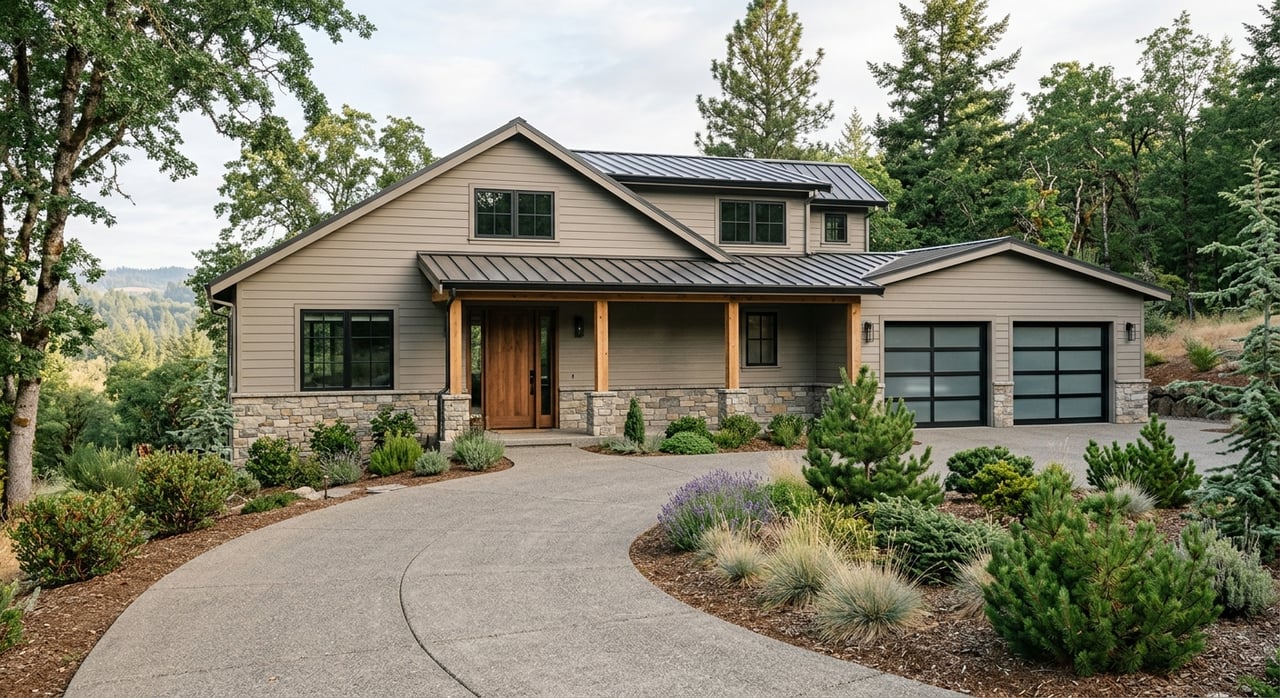
If you work in Redding but want more flexibility in your home search, Anderson deserves a close look. You may be hoping for a shorter drive, a lower price point, a little more land, or simply a different pace without giving up everyday convenience. The good news is that Anderson offers several solid options for commuters, each with its own mix of access, home styles, and setting. Let’s dive in.
Why Anderson Works for Redding Commuters
Anderson is well positioned for people who commute north for work. The city sits about 14 miles south of Redding, with both Interstate 5 and State Route 273 running through town, according to the City of Anderson community and economic development information.
That location translates into a practical daily drive for many households. TravelMath estimates the trip from Anderson to Redding at about 14 minutes in typical conditions, while Rome2Rio places it at 11.8 miles and about 15 minutes by car based on the research provided.
If you prefer not to drive every day, there is also a transit option. RABA runs a weekday Anderson Commuter route between SR 273/Happy Valley and the Downtown Transit Center in Redding, giving some buyers another way to think about their routine.
Best Anderson Areas for Commuters
There is no single "best" neighborhood for every buyer. The right fit depends on whether you want to stay close to downtown Anderson, prioritize quick freeway access, or trade a few more minutes of drive time for extra space.
Based on the location, access, and housing details in the research, the strongest commuter-first choices are Anderson City Center, Riverside Avenue, and Balls Ferry Road. Nearby, Happy Valley and Cottonwood can also work if you want a more rural setting.
Anderson City Center
Anderson City Center is one of the most straightforward choices if your top priority is convenience. Homes.com describes Anderson City Center as a mostly residential core with a grid layout, a mix of older cottages and ranch homes, and newer subdivisions on the south side.
This area gives you a broad range of housing options. The neighborhood includes 1940s to 1960s cottages and ranch homes, west-side homes on larger wooded lots, 1970s ranches in Anderson Heights, and newer homes in Pleasant Hills and Skyview Estates.
That variety can be helpful if you are balancing commute time with budget. Homes.com places older homes roughly in the $150,000 to $350,000 range, Anderson Heights around $200,000 to $550,000, west-side rural homes around $350,000 to $600,000, and newer subdivisions around $400,000 to $650,000.
Recent pricing in the guide points to a median sale price around $310,000 to $316,000 and an average value near $295,000. For many buyers, that makes City Center worth considering when they want to stay close to daily services while keeping the drive to Redding manageable.
Another practical advantage is day-to-day convenience. Homes.com notes that parks, restaurants, and other local amenities are within a short walk in some parts of the area, and many residents use I-5 or Highway 273 for a direct commute to downtown Redding.
Riverside Avenue
Riverside Avenue is another strong option for Redding commuters, especially if you want quick access north while staying close to central Anderson. Homes.com describes Riverside Avenue as a primarily residential area in northern Anderson, with subdivisions mixed with farmland and nearby commercial and industrial uses.
Location is a big part of the appeal here. The neighborhood sits near I-5, downtown Anderson is less than a mile away, and the area is positioned about 10 miles south of Redding based on the source material.
The housing mix is broad enough to suit several buyer types. Homes.com identifies ranch and minimal-traditional homes from the 1950s through the 1990s, some contemporary homes from the 2000s and 2010s, a few bungalows near downtown, and manufactured homes in El Rio Estates.
Price points also cover a useful middle range. The source places homes roughly between $200,000 and $480,000, with a median sale price around $335,000 and an average value near $325,000.
If you want commuter convenience without feeling boxed into one kind of housing, Riverside Avenue stands out. It also offers access to Anderson River Park and Sacramento River recreation, which can matter if you want your weekends to feel close to the outdoors.
Balls Ferry Road
Balls Ferry Road makes sense if you want a commuter-friendly Anderson address but need more room to spread out. Homes.com describes Balls Ferry Road as a mix of suburban ranch homes, country properties, and some manufactured housing on the east side of town.
This area is often a good middle ground. You can stay within Anderson, keep access to shopping and dining, and still find homes that feel less tied to a typical in-town subdivision pattern.
According to the source, 1980s ranch homes and newer suburban streets near Shady Lane tend to range from about $250,000 to $400,000. Rural homes on multiple acres can run from about $400,000 to $900,000, while manufactured homes in River Park Mobile Estates have been listed around $40,000 to $70,000.
Recent neighborhood data in the guide shows an average value near $383,000 and a median sale price around $320,000. For buyers looking at acreage, workshop space, or a more open setting, Balls Ferry Road can be one of the better compromises between commute practicality and property flexibility.
Rural Options Near Anderson
Some buyers are willing to add a bit more drive time if it means more privacy, land, or a more rural feel. In that case, Happy Valley and Cottonwood are worth considering alongside Anderson itself.
Happy Valley
Happy Valley is a nearby rural pocket that still connects reasonably well to the Anderson and Redding job centers. Homes.com describes Happy Valley as a landscape of open fields, gulches, corrals, and country roads, with homes ranging from mobile homes and cottages to ranch-style properties built from the 1970s through the 2000s.
Access is the key question here, and the numbers are encouraging. The center of Happy Valley is about 4 miles from Highway 273 and about 6 miles from Anderson, according to the source material.
Current pricing in the guide shows a median sale price around $381,750 and an average value near $404,000. That may appeal to buyers who want a rural setting but still need a realistic weekday route into Redding.
Transit may also help in specific cases. The weekday Anderson Commuter bus stops at SR 273/Happy Valley and reaches Redding’s Downtown Transit Center in roughly 20 minutes based on the research provided.
Cottonwood
Cottonwood is the option to watch if your priority is a smaller-town, more rural atmosphere and you are comfortable with a slightly longer drive. Homes.com describes the area as rural with historic charm, with a mix of minimal-traditional homes near downtown, ranch-style homes, newer traditional homes in cul-de-sacs, and larger parcels closer to I-5.
Pricing remains relevant for many Shasta County buyers. The source shows a median sale price around $350,000, a median list price around $367,000, and an average sale price around $377,894.
The commute is longer than from Anderson, but still realistic for many people. Rome2Rio lists the drive from Cottonwood to Redding at about 17 minutes over 16.9 miles.
If your home search centers on land, a quieter setting, or a different small-town feel, Cottonwood may be worth comparing against Anderson neighborhoods before you decide.
How to Choose the Right Fit
The best area for you depends on what matters most in your daily routine. A quick drive is important, but so are home type, price range, lot size, and how you want your evenings and weekends to feel.
Here is a simple way to think about the options:
- Choose Anderson City Center if you want the most in-town convenience and a wide range of home styles.
- Choose Riverside Avenue if you want strong freeway access and a practical location near central Anderson.
- Choose Balls Ferry Road if you want more space or acreage without leaving Anderson.
- Choose Happy Valley if you want a rural setting with a usable Highway 273 connection.
- Choose Cottonwood if you are open to a slightly longer drive in exchange for a more rural small-town setting.
What Buyers Should Keep in Mind
Commute time is only one piece of the decision. Before you choose an area, it helps to compare your work schedule, your preferred route, your budget, and the type of property you actually want to live in.
For example, an in-town home in Anderson may simplify your mornings and keep errands easy. On the other hand, a property in Balls Ferry Road, Happy Valley, or Cottonwood may give you more land, more separation from neighbors, or a housing type that is harder to find closer in.
This is also where local guidance matters. In a market with everything from older cottages and ranch homes to manufactured housing and acreage, it helps to have someone who understands how these pockets differ in both lifestyle and property mix.
If you are comparing Anderson neighborhoods for a Redding commute, Dustin Foster can help you narrow the search based on your budget, commute goals, and the kind of property you want, whether that is an in-town home, manufactured home, or acreage. Reach out for a no-pressure conversation and get a clearer plan for your move.
FAQs
Which Anderson neighborhood is best for commuting to Redding?
- For many buyers, Anderson City Center and Riverside Avenue are the clearest commuter-first choices because they offer direct access to I-5 or Highway 273 and are positioned closest to central Anderson conveniences.
Is Anderson a good place to live if you work in Redding?
- Yes. Anderson is commonly viewed as a commuter base for Redding workers, with I-5 and SR 273 running through town and a typical drive of about 14 to 15 minutes based on the research provided.
Does Anderson have public transit to Redding for commuters?
- Yes. RABA operates a weekday Anderson Commuter route between SR 273/Happy Valley and Redding’s Downtown Transit Center.
Is Balls Ferry Road a good option for buyers who want land?
- Yes. Balls Ferry Road is one of the better Anderson-area options if you want a mix of commuter practicality and larger properties, including country homes and acreage.
Is Happy Valley too far for a Redding commute?
- Not necessarily. Happy Valley is a more rural choice, but it connects into Anderson and Highway 273 reasonably well, and the commuter bus stop at SR 273/Happy Valley can add flexibility for some riders.
Should buyers choose Anderson or Cottonwood for a Redding commute?
- Anderson usually offers the shorter and simpler commute, while Cottonwood may appeal more if you want a more rural small-town setting and are comfortable with a somewhat longer drive.