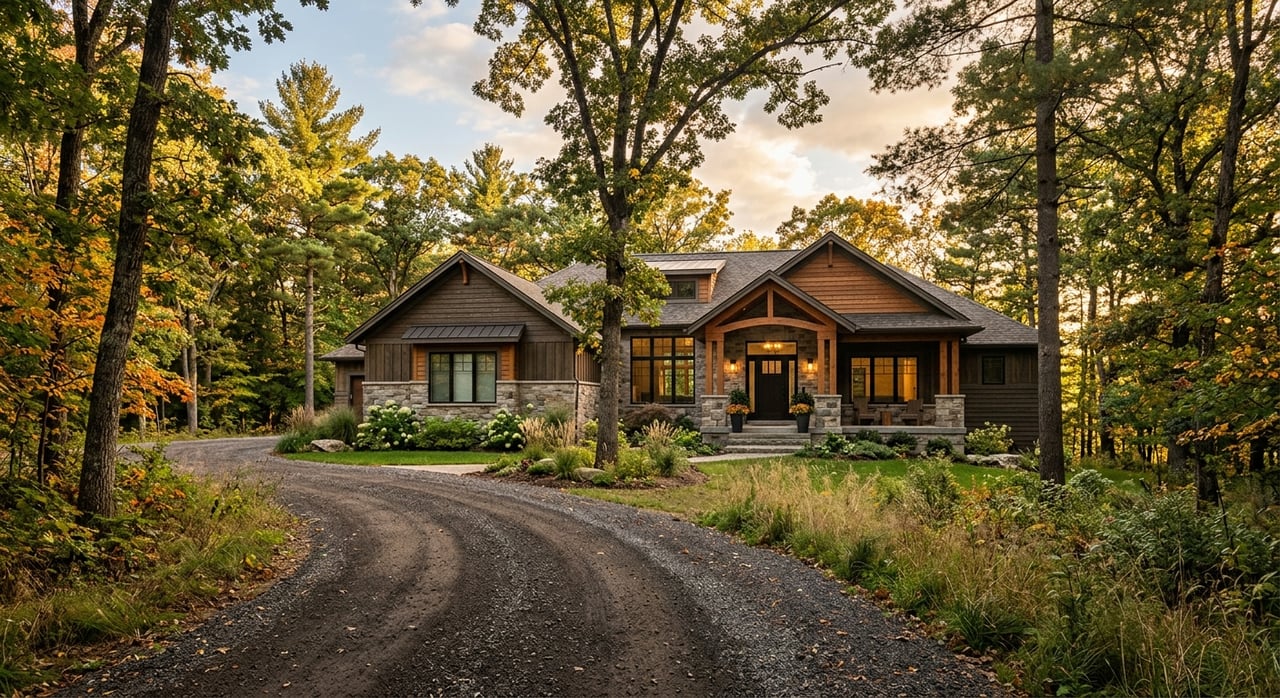
If you are selling a rural or acreage home in Cottonwood, you are not just selling a house. You are selling access, land usability, water, septic function, and the day-to-day reality of how the property works. That can feel like a lot to organize, but with the right prep and pricing strategy, you can attract serious buyers and avoid costly delays. Let’s dive in.
Why Cottonwood acreage sales are different
Cottonwood sits in a part of Tehama County known for wide open space and an economy tied closely to agriculture, including ranching, farming, and timber production. In this kind of market, buyers often weigh the land just as heavily as the home itself.
That means your property value is shaped by more than square footage and finishes. Buyers want to understand whether the acreage is usable, how easy it is to access, where the well and septic are located, and what improvements are already in place.
Price the property with precision
Rural pricing in Cottonwood needs to be grounded in recent local comparable sales. Countywide averages can offer context, but they cannot tell the full story for a specific acreage property with unique land features.
Recent market data points in a similar direction. Redfin shows Cottonwood with a median sale price of $427,244 and 33 days on market over the last three months ending May 2026. Zillow shows Tehama County at an average home value of $323,045 and 29 days to pending, while Realtor.com shows a county median listing price of $389,000, 56 days on market, and a 99% sale-to-list ratio.
The takeaway is simple. Buyers are active, but they are still price-sensitive. If an acreage home is overpriced, extra time on market can follow quickly.
What buyers adjust for
When buyers compare one rural property to another, they often make value judgments based on practical issues like:
- Usable versus sloped or restricted land
- Road and driveway access
- Well and water-supply documentation
- Septic condition and system location
- Outbuildings, fencing, and improvements
- Defensible-space work and wildfire readiness
- Easements, right-of-way, and utility setup
A strong pricing strategy takes those factors seriously from day one. That helps you avoid chasing the market later with price reductions.
Gather documents before you list
In California, sellers complete a transfer disclosure statement covering the property’s physical condition and potential hazards or defects. The listing agent also has a duty to visually inspect the property for readily observable defects.
For a rural or acreage home, buyers usually expect more than the standard forms. They want records that explain how the property functions in the real world, especially when wells, septic systems, private access, and larger parcels are involved.
Documents worth assembling early
Tehama County Environmental Health regulates domestic wells and individual sewage disposal systems. The county’s forms and guidance make it clear that site details matter, so it is smart to gather as much supporting information as possible before your home hits the market.
Try to assemble:
- Well records
- Septic records
- Permit history
- Site maps or plot plans
- Utility information
- Driveway and access details
- Any records showing drainage or flood-related features
This kind of prep can help answer buyer questions early and reduce uncertainty during escrow. It also shows that you are organized and transparent, which builds confidence.
Septic details matter more than many sellers expect
For rural homes in Cottonwood, septic is not just a background detail. It can be a major part of the buyer’s decision.
Tehama County’s septic standards say onsite systems must be sized and located with soil and groundwater conditions in mind. The county also requires a 100% expansion area so a replacement field can be added if the original system fails.
That makes septic location and replacement area important selling points. If a buyer sees clear records and understands where the system sits and whether expansion space exists, the property may feel more straightforward and less risky.
Why this can affect value
If lot area is inadequate or soils are not appropriate, the county can deny a sewage-disposal or building permit. For buyers thinking long term, that can influence how they view future use of the land.
If you already have records that show the septic layout, replacement area, or prior permitting, those details can help support value and reduce back-and-forth later.
Access can make or break buyer interest
One of the biggest value drivers for rural property is simple: can buyers get in and out easily and safely? Long driveways, narrow entries, steep grades, or unclear easements tend to get attention fast.
Tehama County Fire’s residential development requirements include visible address posting at the driveway entrance, at least 100 feet of defensible space or to the property line, driveway width of at least 10 feet, vertical clearance of at least 15 feet, grades not exceeding 16%, and a 40,000-pound load capacity for roads, culverts, and bridges.
Even if a property has worked well for you, buyers may still focus on whether access meets practical expectations. Inspectors and lenders may also pay close attention to these issues.
Access details to confirm
Before listing, it helps to clarify:
- Where legal access begins and ends
- Whether there is a shared drive or private easement
- Gate and driveway dimensions
- Road grade and turn-around areas
- Bridge, culvert, or load-capacity concerns
- Utility access and provider information
When these details are clear, your listing becomes easier for buyers to evaluate. That can lead to stronger interest from the right audience.
Wildfire readiness is part of the sale
In and around Cottonwood, wildfire readiness is not a side issue. It is often part of how buyers assess safety, insurability, maintenance, and ongoing ownership costs.
CAL FIRE conducts defensible-space inspections in State Responsibility Areas, and the State Fire Marshal’s Fire Hazard Severity Zone maps classify areas as Moderate, High, or Very High. For sellers, that means wildfire mitigation and hazard designation are worth checking early.
What to address before marketing
Practical steps may include:
- Confirming the property’s fire hazard designation
- Completing or documenting defensible-space work
- Posting visible address numbers at the driveway entrance
- Clearing vegetation for required access width and vertical clearance
- Identifying any access issues that may concern buyers
If you can show buyers what work has already been done, you remove guesswork. That can improve first impressions and make the property feel better maintained.
Make the land easy to understand
Acreage listings perform better when the land is easy to read. Buyers should not have to piece together where the useful space is, how the parcel lays out, or what features support their intended use.
In a county where open space and agriculture are central to the local identity, marketing should highlight the parts of the property that matter most. That includes usable acreage, fencing, outbuildings, pasture or garden potential, road access, utility setup, well or septic documentation, and defensible-space work.
Practical features buyers want to see
The most common buyer questions are often straightforward:
- How do I access the property?
- Where are the well and septic systems?
- Is there a replacement field or expansion area?
- Are there easements or right-of-way issues?
- How much fire clearance has been completed?
- What parts of the land are usable right now?
A strong seller packet and a well-prepared listing can answer many of those questions before a buyer ever schedules a showing.
Do not overlook future-use questions
Some larger Tehama County parcels may be affected by added planning considerations. For example, certain parcels fall within a Military Operations Area overlay, which requires review and permitting procedures for new development in designated areas.
This will not apply to every property, but it can matter when future building potential is part of the buyer’s interest. If your parcel is larger or likely to attract buyers focused on expansion, it is worth checking whether any overlay or planning issue could shape expectations.
What a strong sale strategy looks like
Selling a rural or acreage home in Cottonwood usually works best when you treat the land as a core part of the product, not an afterthought. That means preparing records early, pricing against recent local comps, and presenting the property in a way that makes its function easy to understand.
It also means speaking directly to what acreage buyers care about most. In this market, they are often less focused on cosmetic details alone and more focused on whether the property works for their goals.
Your pre-listing checklist
Before you go to market, focus on these steps:
- Review recent local comparable sales
- Gather well, septic, permit, and site records
- Confirm access, easements, and driveway details
- Check defensible-space conditions and fire-related concerns
- Organize utility and land-use information
- Identify the parcel’s most usable and marketable features
- Prepare marketing that explains both the home and the land clearly
When you do that work upfront, you give buyers fewer reasons to hesitate. That can help your home stand out and support a smoother sale.
If you are thinking about selling a rural or acreage property in Cottonwood, working with someone who understands both local market behavior and the practical side of country property can make a real difference. For a free home valuation or a no-pressure consultation, reach out to Dustin Foster.
FAQs
What affects the value of a rural home in Cottonwood?
- Value often depends on recent local comparable sales, usable acreage, access, well and septic setup, improvements, and wildfire readiness.
What documents should you gather before listing acreage in Tehama County?
- It helps to gather well records, septic records, permit history, site maps, utility details, and any information about access, drainage, or easements.
Why is septic information important when selling acreage in Cottonwood?
- Buyers want to know where the system is located, how it functions, and whether there is an expansion or replacement area, since those details can affect future use and permitting.
What access issues matter when selling a rural property in Cottonwood?
- Buyers often look closely at driveway width, grade, vertical clearance, legal access, easements, and whether roads, bridges, or culverts appear adequate for safe use.
How does wildfire readiness affect a Cottonwood acreage sale?
- Defensible-space work, visible address posting, and the parcel’s fire hazard designation can shape buyer confidence and influence how prepared the property appears.
Why do local comps matter more than county averages for acreage homes?
- Rural properties can vary widely in land usability, access, water, and improvements, so nearby comparable sales usually give a more accurate picture of market value than broad countywide numbers.