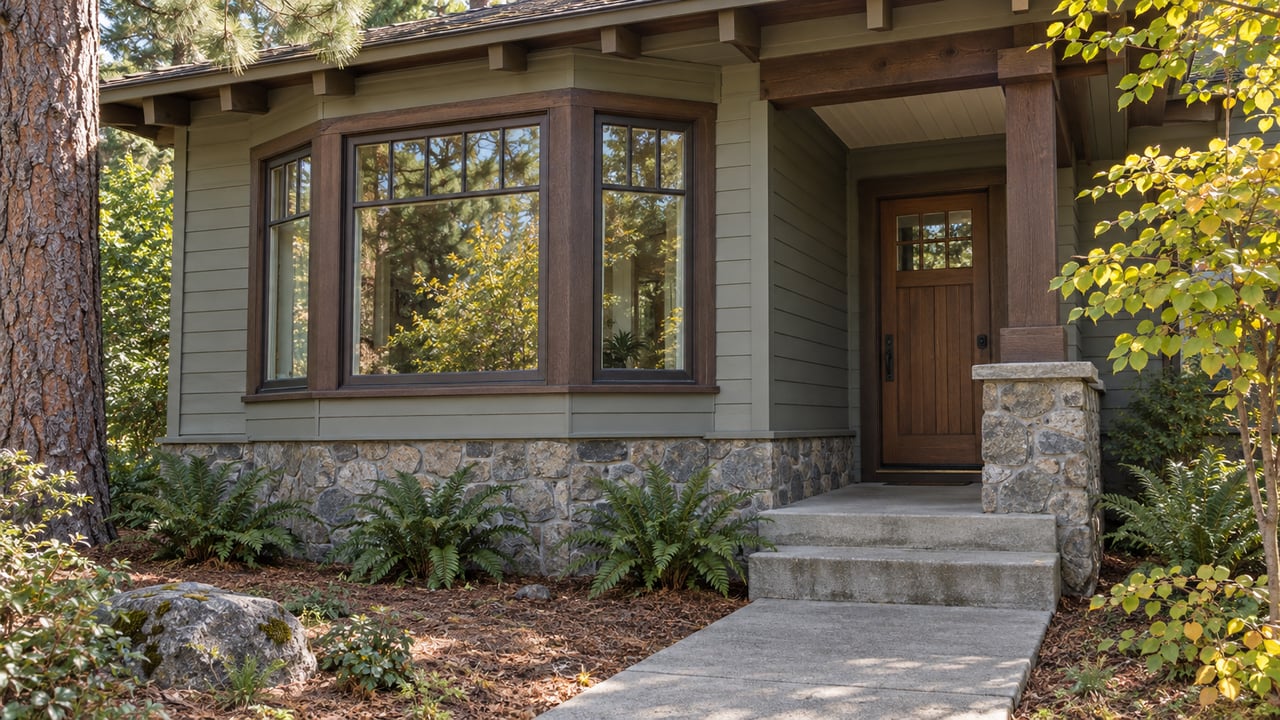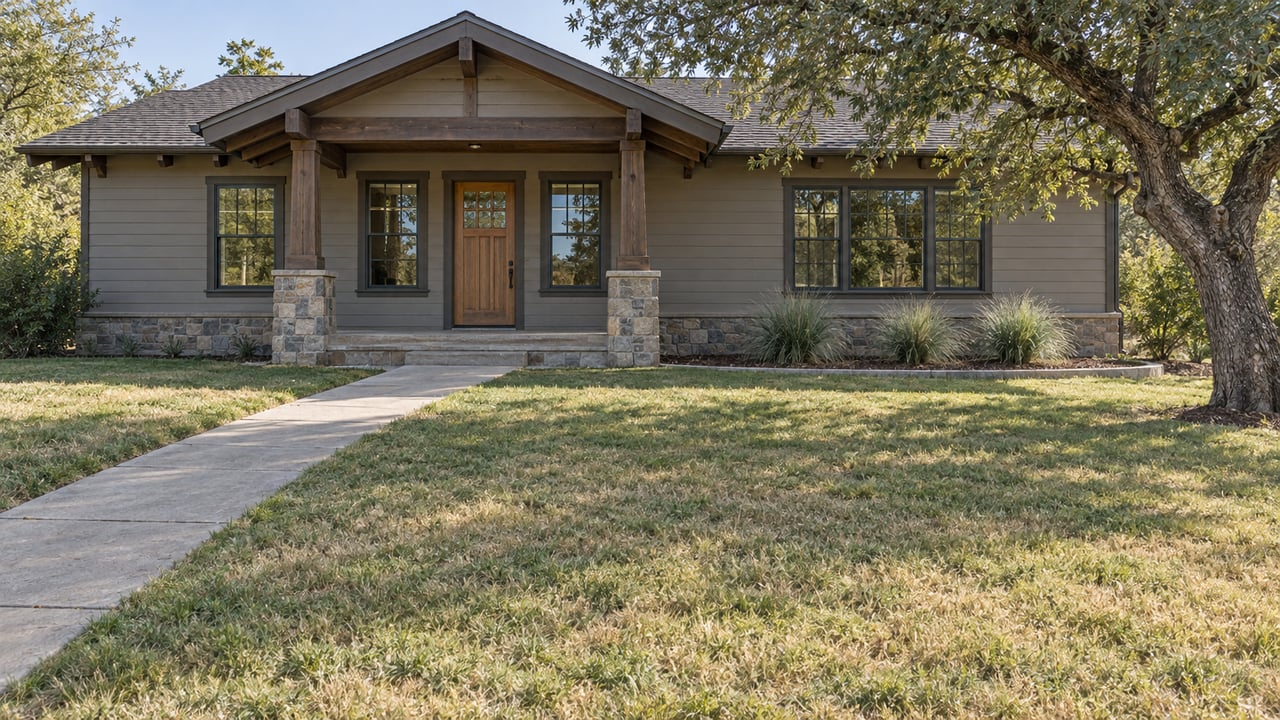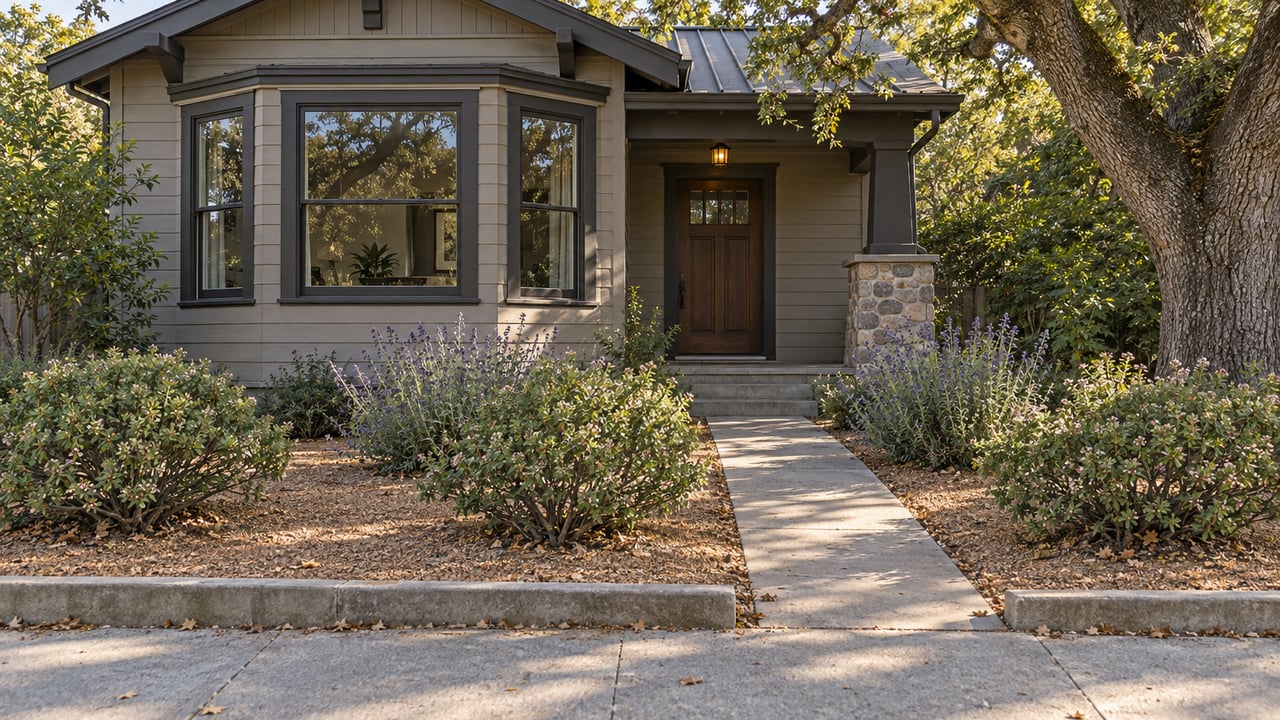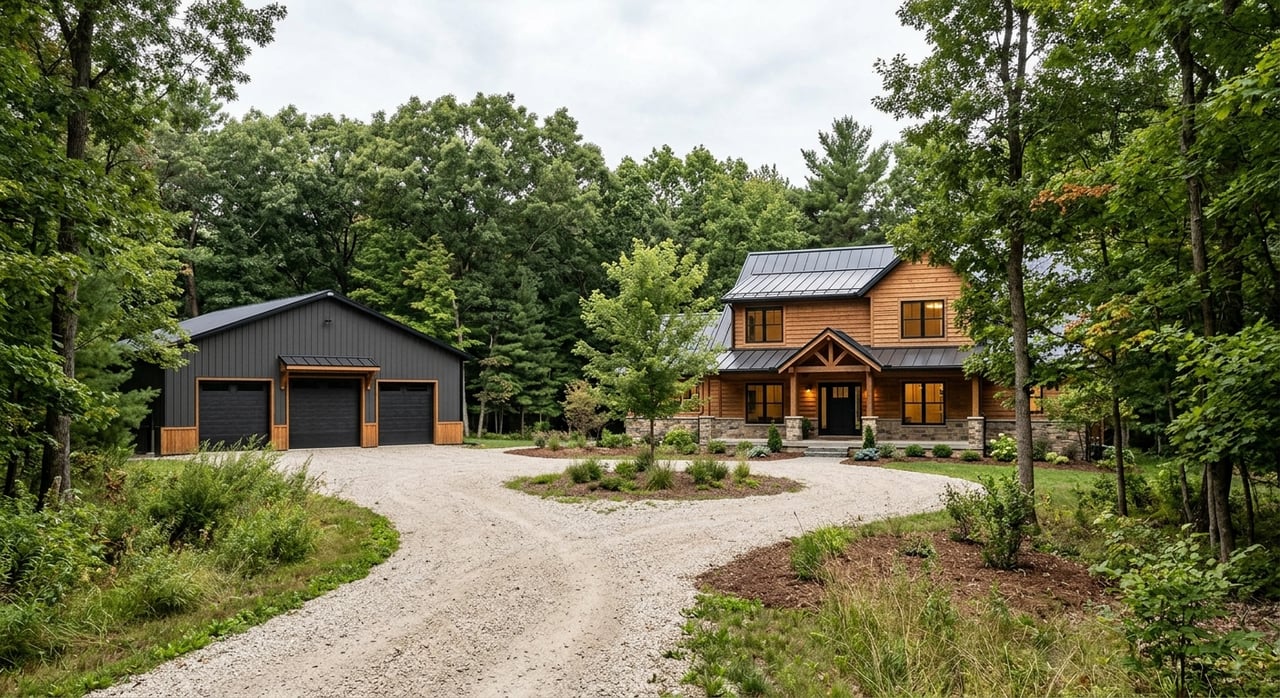
Dreaming about a little more space in Cottonwood? A mini-ranch can give you room for animals, outbuildings, gardening, or simply a quieter semi-rural lifestyle, but buying one is not as simple as finding a house with acreage. In this part of Tehama County, the details behind the land matter just as much as the view. This guide will help you understand what to check before you buy so you can shop with more confidence. Let’s dive in.
What a mini-ranch means in Cottonwood
In Cottonwood, a “mini-ranch” is usually not a formal property type. It is more of a practical way to describe a semi-rural home with usable land for hobby farming, limited animal keeping, outbuildings, or extra elbow room.
That fits the local setting. Tehama County describes itself as a place where open space, agriculture, ranching, and timber play a major role in the local economy, and the Cottonwood Creek watershed is largely made up of agriculture, timber, and public lands. Because of that, buyers often see acreage properties that feel rural and flexible, but the actual use of the property depends on zoning and site conditions.
Start with zoning first
If you are buying a mini-ranch property in Cottonwood, zoning should be one of your first checks. Tehama County Planning says parcel-specific zoning information, including permitted uses, setbacks, minimum lot sizes, and building heights, can be confirmed with the address or APN.
That matters because two properties with similar acreage can allow very different uses. A parcel may look perfect for a barn, guest cottage, paddock, or shop, but the zoning district and lot layout will decide what is realistically possible.
Key zoning districts to know
Here are some of the most relevant zoning categories for Cottonwood-area mini-ranch buyers:
- Rural Residential-Large Lot: Intended for areas without urban services and often surrounded by grazing, timber, or cropland. The general plan allows one single-family detached dwelling per 10-acre parcel.
- Rural Residential-Small Lot: Intended for rural service centers or defined rural residential communities with limited or no urban services. The general plan allows one single-family detached dwelling per 2-acre parcel.
- AG-3 Agricultural/El Camino: Designed for rural residential living, small-scale orchard and field crops, limited animal keeping, and agricultural-support uses. The code sets a 5-acre minimum lot area, or 40 acres if the land is under a Williamson Act or Farmland Security Zone contract.
- RE Residential Estate: More estate-style than ranch-style, but still relevant if you want extra space. This district permits uses such as crop and tree farming, grazing, non-commercial nurseries, and private stables, with one animal per acre and a 10,500-square-foot minimum lot area.
What zoning means for your plans
A larger parcel does not always mean more freedom. In Cottonwood, zoning and any contract status attached to the land can be just as important as the number of acres.
For example, AG-3 can be a strong fit for buyers who want rural residential use with light hobby-farm activity. It may support features like a single-family dwelling, guest cottage, crop or tree farming, grazing, stables, greenhouses, and accessory buildings, but that does not automatically mean every agricultural or commercial use is allowed.
Understand parcel size and buildability
Buyers often assume that if a lot is large, it is fully buildable and easy to improve. In reality, buildability depends on more than acreage.
Tehama County Environmental Health says the county has a one-acre minimum for new parcels under its onsite wastewater policy, but zoning can require more. That means a parcel could be septic-feasible and still not meet the zoning standards for the use you want.
Common size tiers in the Cottonwood area
These are the practical acreage benchmarks many buyers will run into:
- 2 acres in Rural Residential-Small Lot
- 5 acres in AG-3, unless a qualifying contract raises the minimum
- 10 acres in Rural Residential-Large Lot
- 40 acres in AG-3 if the land is under a Williamson Act or Farmland Security Zone contract
This is one reason mini-ranch shopping needs a little more homework than standard home shopping. You are not just buying a house. You are buying a set of land-use rules, site constraints, and future options.
Think beyond the house footprint
On mini-ranch properties, buyers are often thinking ahead. You may want a shop, barn, fencing, garden area, guest cottage, or space for animals.
Those goals are reasonable, but they still need to fit within setbacks, access requirements, utility locations, and septic constraints. In Tehama County, layout matters because future improvements can be limited by property lines, wells, structures, trees, streams, and the required septic replacement area.
Ask yourself these planning questions
Before you get too attached to a property, consider:
- Where would a barn or shop actually go?
- Is there room for fencing, paddocks, or turnarounds?
- Would future additions interfere with septic setbacks?
- Does the parcel layout support the way you want to live on the land?
Access and roads are a big deal
A beautiful rural property can lose its shine quickly if the access is poor. In Cottonwood, road access is not just a convenience issue. It is also tied to safety, emergency response, and future permitting.
Tehama County fire safe regulations require roads and streets, whether public or private, to provide safe access for emergency wildland fire equipment and civilian evacuation. The county’s residential development requirements also call out practical standards such as a 10-foot traffic lane, overhead clearance, turnouts or turnarounds on longer driveways, gates that do not block road traffic, and defensible space around structures.
Access questions to ask before you buy
Use this checklist when reviewing a property:
- Is the access road public or private?
- Who maintains the road?
- Is there a recorded easement for access?
- Does the driveway appear to meet fire access expectations?
- Are gates, grades, turns, and address signage likely to meet county requirements?
The county’s plot-plan instructions also require information about easements, right-of-way encroachments, and access details. That is a strong clue that access is central to how the property functions, not just an afterthought.
Fire safety should be checked early
Wildfire planning is part of buying rural and semi-rural real estate in Tehama County. The county points residents to the Cottonwood Fire Protection District and a fire hazard severity zone viewer, which makes it smart to review fire exposure at the start of your search.
Depending on the site, fire-related requirements may affect both budget and design. If a project is in State Responsibility Area, fire water storage may be required. The county’s fire and building checklist also notes that fire sprinklers and vehicle-impact protection may apply in some cases.
Water and septic can make or break the deal
For many Cottonwood mini-ranch properties, water and septic are the most important practical issues on the property. If those systems do not work for your plans, the acreage may not deliver the lifestyle you expected.
Tehama County Environmental Health regulates individual sewage disposal systems, public water systems, and domestic wells. The county notes that many residents rely on public or privately operated well systems or single-property domestic wells, and that a significant number of people are served by private domestic wells or spring and surface water systems.
Why septic layout matters so much
The county’s local wastewater management plan says onsite wastewater system design must match soil porosity and groundwater separation. Permits can be denied when lot area or soil conditions are not sufficient.
Just as important, septic systems must preserve a 100 percent expansion area. That means the land needs room not only for the current system, but also for a full replacement area, which can directly affect where you place future buildings or improvements.
Utility questions every buyer should ask
Before you move forward, ask:
- Is the property served by a private well, public water, or another water source?
- Is there a permitted septic system on file?
- Where is the required replacement area?
- Are electric, water, gas, and septic services already in place?
- Will future improvements conflict with septic setbacks or utility locations?
The county’s plot-plan instructions require utility services to be shown on the map, including water, septic or sewer, gas, and electric. That tells you how important utility planning is in the early stages.
Watch for Williamson Act or contract status
Some buyers focus only on acreage and overlook land contract status. That can be a costly mistake.
In AG-3 zoning, the normal 5-acre minimum can increase to 40 acres if the land is under a Williamson Act or Farmland Security Zone contract. If you are comparing similar properties, this one factor can change what you can do with the parcel and how you evaluate long-term flexibility.
A smart due diligence checklist
When you are buying a mini-ranch in Cottonwood, a few key items can save you from surprises later. This is the short list worth reviewing before you get too far down the road.
Cottonwood mini-ranch checklist
- APN and zoning
- Legal parcel status
- Recorded access and easements
- Water source
- Septic permit and replacement area
- Fire hazard severity zone
- Defensible space considerations
- Williamson Act or Farmland Security Zone status
If you keep coming back to one idea, let it be this: more land only helps if the property also has workable access, enough water, a permitable wastewater plan, and room for the improvements you want. That is what separates a property that simply looks like a mini-ranch from one that truly works like one.
Work with a local acreage-minded strategy
Buying a mini-ranch property in Cottonwood takes a different lens than buying a standard in-town home. You are evaluating the house, but you are also evaluating the land, the rules, the utilities, the road, and the future use of the property.
That is where local experience matters. When you understand how zoning, access, fire safety, water, and septic all fit together, you can move forward with more clarity and avoid buying acreage that does not match your goals.
If you are thinking about buying a mini-ranch in Cottonwood or comparing semi-rural properties in the area, Dustin Foster can help you sort through the details and plan your next move with a no-pressure consultation.
FAQs
What does mini-ranch mean in Cottonwood, CA?
- In Cottonwood, a mini-ranch usually refers to a semi-rural residential property with acreage that may support uses like limited animal keeping, hobby farming, outbuildings, or extra open space, depending on zoning and site conditions.
What zoning should buyers check for Cottonwood mini-ranch properties?
- Buyers should verify parcel-specific zoning with Tehama County Planning, with common districts including Rural Residential-Large Lot, Rural Residential-Small Lot, AG-3 Agricultural/El Camino, and RE Residential Estate.
How many acres do you need for a mini-ranch in Cottonwood?
- The answer depends on zoning, with common minimums including 2 acres in Rural Residential-Small Lot, 5 acres in AG-3, 10 acres in Rural Residential-Large Lot, and 40 acres in some AG-3 parcels under Williamson Act or Farmland Security Zone contracts.
Why are septic and wells so important for Cottonwood acreage properties?
- Water and septic are critical because many properties rely on wells and onsite wastewater systems, and county rules require proper soils, setbacks, and a 100 percent septic expansion area that can affect future improvements.
What access issues should buyers review on a Cottonwood mini-ranch?
- Buyers should confirm whether access is public or private, whether there is a recorded easement, who maintains the road, and whether the driveway and gates appear to meet county fire-access standards.
How can buyers tell if a Cottonwood mini-ranch really fits their plans?
- Buyers should compare their goals for animals, outbuildings, and future improvements against the property’s zoning, legal access, water source, septic layout, fire safety requirements, and overall site design.