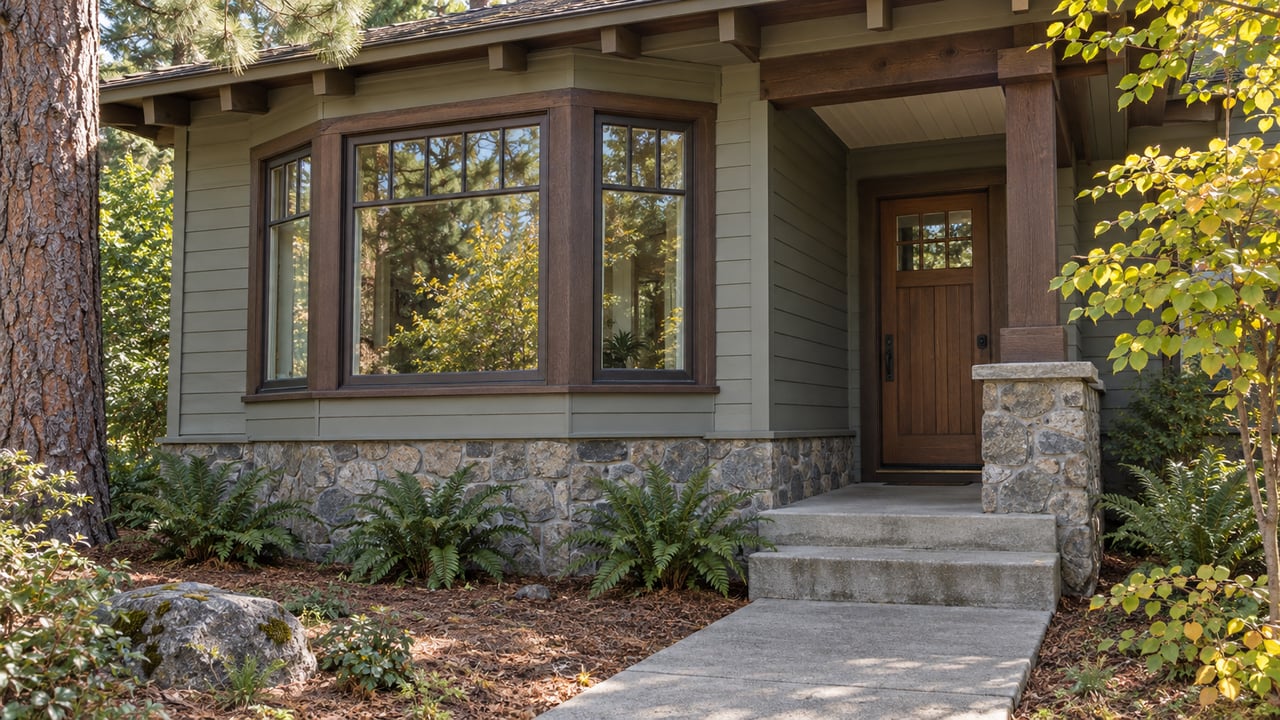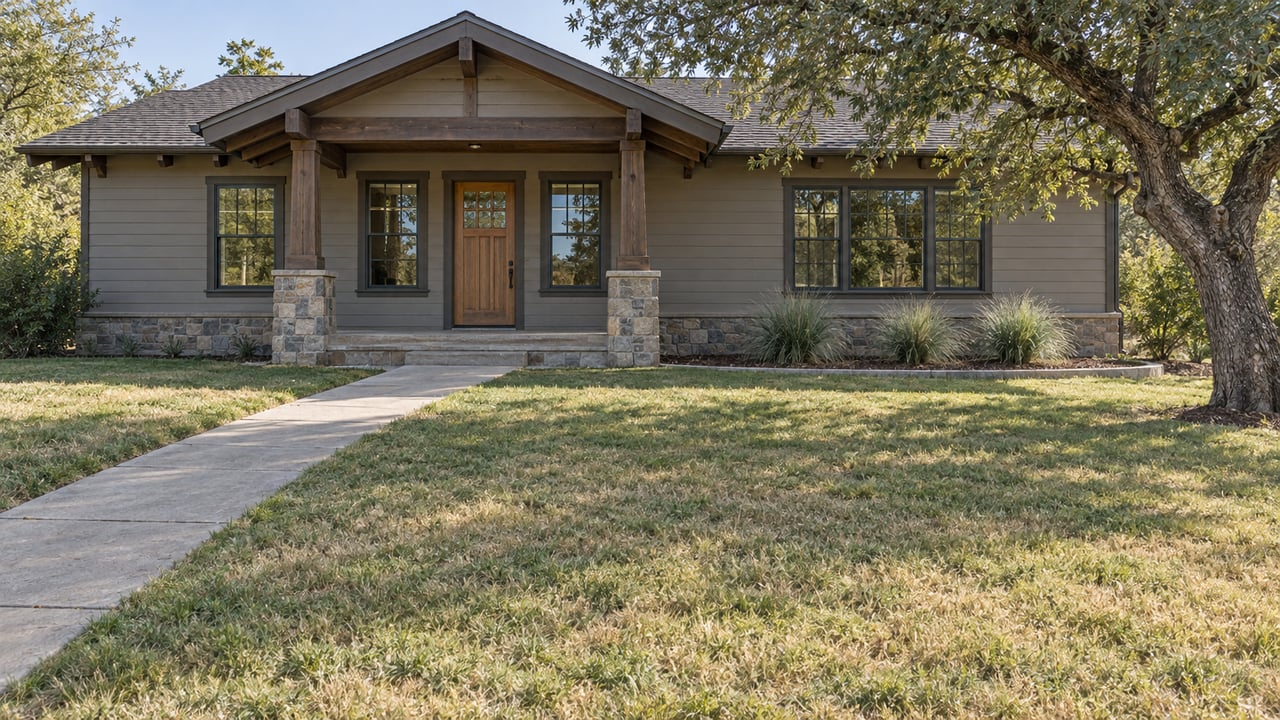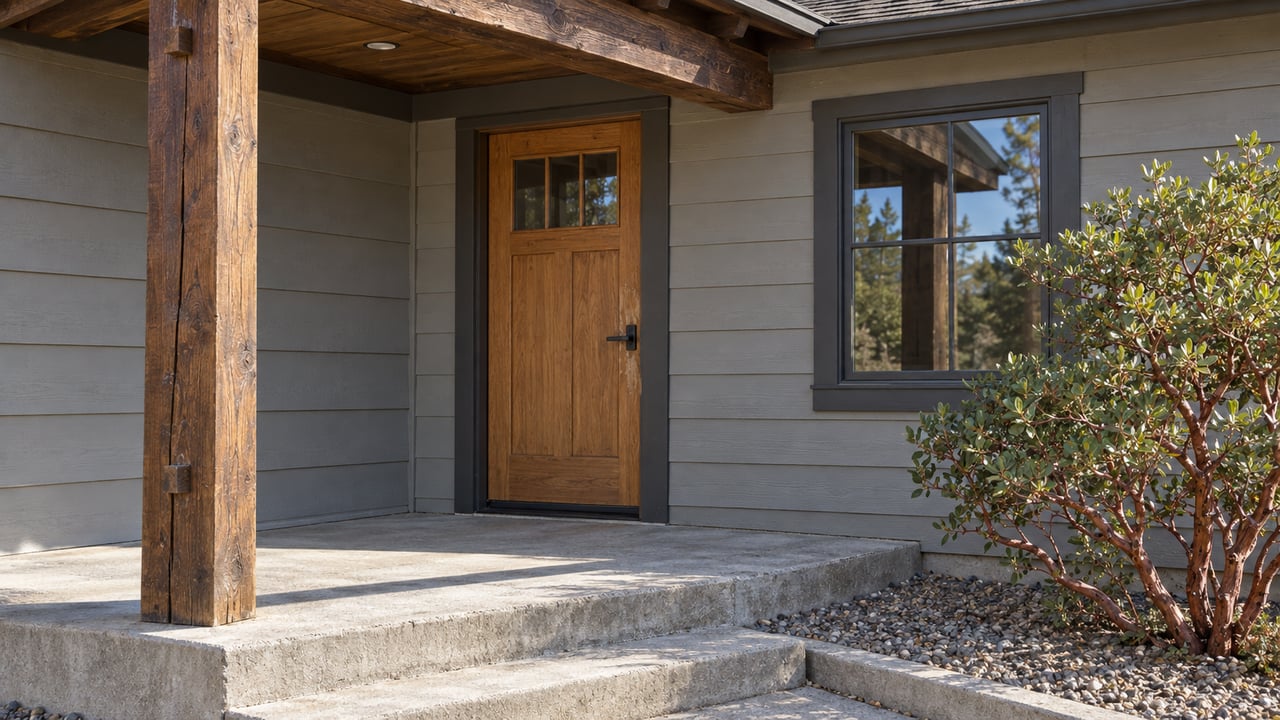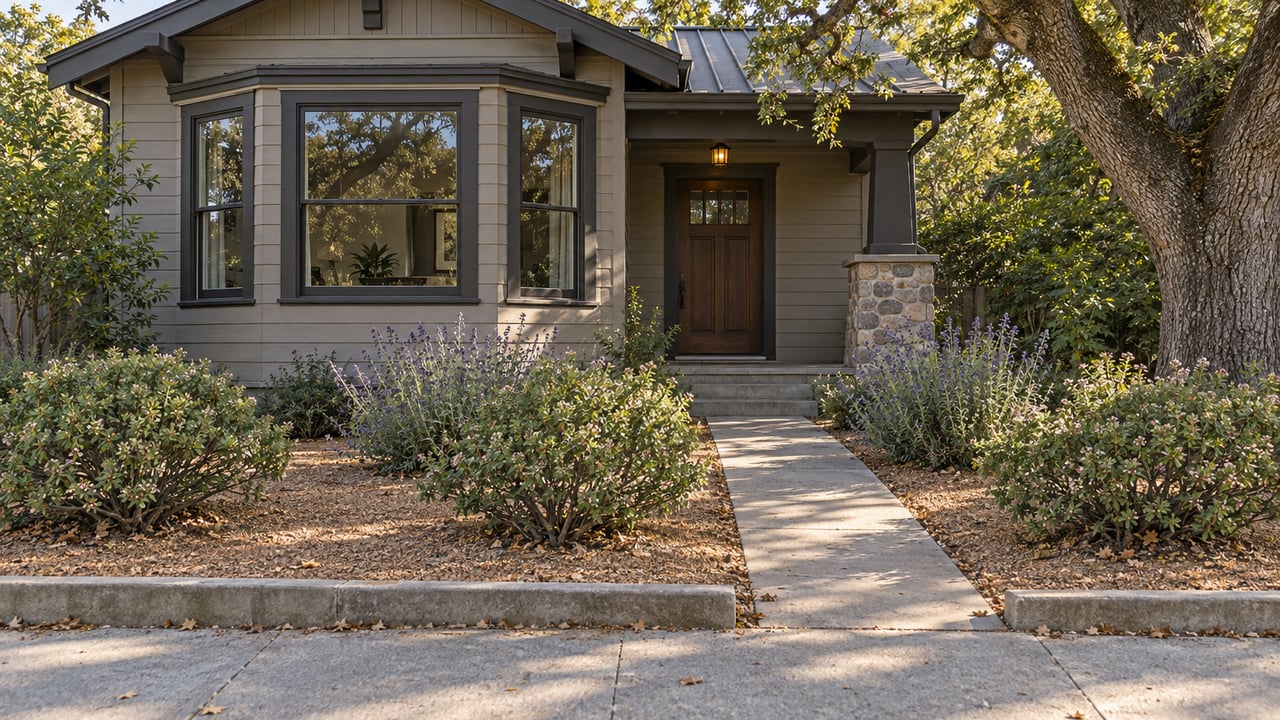
Are you weighing a manufactured home against a modular home in Anderson? You are not alone. Many buyers want the right mix of affordability, financing options, and long-term value in Shasta County. This guide breaks down the differences in plain language and gives you a clear path to move forward with confidence. Let’s dive in.
Quick definitions you can trust
Manufactured homes
Manufactured homes are built in a factory to the federal HUD Code and have a HUD label. They are transported largely complete and set on a site. You will see single-wide or double-wide configurations, and some people still call them mobile homes. Once installed, they can sit in a park on a leased space or be placed on a private lot.
Modular homes
Modular homes are also factory-built, but they follow the same local and state building codes as site-built houses. The modules are trucked to your lot, craned onto a permanent foundation, and finished on-site. Once installed and permitted, they are treated like any site-built home for valuation and financing.
How each is built and installed
Manufactured homes: install paths
- Park placement on a leased lot with piers and tie-downs.
- Private land with a permanent foundation, then convert title to real property.
- Utilities connected after placement, with required inspections.
Modular homes: install path
- Modules built in a factory to local code standards.
- Sections transported and craned onto a permanent foundation.
- Final connections, interior finishes, and inspections as a single building.
Speed to move in
- Manufactured homes are typically the fastest path. Once the factory build is done, setup and connection can move quickly, often in weeks to a few months based on site prep and transport.
- Modular homes are still faster than a full site-built process but usually take a few months because of foundation work, craning, and finish work.
Financing in Shasta County: what to expect
Manufactured homes financing
- Chattel loans: Used when the home is considered personal property, such as a unit in a park on a leased space. These loans often have higher rates and shorter terms than standard mortgages.
- Real property mortgages: If the manufactured home sits on land you own with a permanent foundation and proper title conversion, you may qualify for conventional, FHA, VA, or USDA mortgages.
- FHA options: Title I can finance manufactured homes and lots under specific criteria. Title II may insure mortgages when the home is on a permanent foundation and meets program standards.
- VA and USDA: Both may allow manufactured homes when permanent foundation and other requirements are met.
Modular homes financing
- Modular homes on a permanent foundation are typically financed like site-built homes. Conventional, FHA, VA, and USDA programs are common when the house meets local code and permit standards.
Appraisal and underwriting basics
- Manufactured homes with chattel loans are valued as personal property, which may limit loan-to-value and refinance options.
- Manufactured homes converted to real property and modular homes are appraised as real estate, similar to site-built homes. Lenders look for the HUD label on manufactured units, the foundation certification when applicable, and proof of permits and inspections.
Insurance essentials for our area
- Manufactured homes in parks or financed with chattel loans often use specialized manufactured home policies.
- Homes on permanent foundations with real property status, including modular homes, can often be insured under typical homeowners policies if they meet insurer guidelines.
- In Shasta County, review wildfire exposure and any flood risk. Ask for quotes early so premiums do not surprise you during escrow.
Zoning and permits in Anderson and Shasta County
City limits vs. county jurisdiction
First, confirm whether a property is inside the City of Anderson or in unincorporated Shasta County. Each has its own planning and building rules that affect where manufactured or modular homes are allowed and the standards for installation.
Park space vs. private lot
- Park placement: You will sign a space lease and follow park rules. Some parks have age or pet policies that may reduce your resale buyer pool.
- Private lot: You control the land. For manufactured homes, a permanent foundation and title conversion can unlock standard mortgage programs and help resale.
Permits and compatibility
Depending on the neighborhood, there may be design or compatibility standards for manufactured housing. Always verify setback requirements, foundation standards, and required inspections before you commit. Permit completion and final sign-offs are crucial for financing and appraisal.
Utilities, wells, and septic in the Anderson area
Many properties outside Anderson’s core use private wells and septic systems. If you are placing or buying a factory-built home on acreage, verify that systems meet county health and building standards. Plan for inspections, potential upgrades, and defensible space in higher wildfire risk areas. Good documentation helps with lending, insurance, and peace of mind.
Resale realities and value drivers
If you care about long-term value, look closely at these factors:
- Lot ownership: Owning the land generally improves resale and financing access.
- Title and foundation: Real property status with a permanent foundation often boosts marketability.
- Age and condition: Post-1976 HUD-code units are standard for lending. Maintenance and updates matter.
- Park rules and space rent: Rules and rising rents can narrow the buyer pool.
- Utilities and infrastructure: Reliable well, septic, or municipal services support value.
- Energy efficiency: Insulation, HVAC upgrades, and solar can reduce costs and attract buyers.
- Insurance availability: In higher fire or flood zones, insurance options and costs affect buyer decisions.
Real-world scenarios you might see
- Example A: Manufactured home in a park. Two bedrooms and one bath on a leased space. Pros include a lower entry price and quick move-in. Cons include space rent, limited mortgage options, and a smaller buyer pool at resale.
- Example B: Double-wide on an owned lot. Three bedrooms and two baths on a quarter to one acre in the county, permanently affixed and permitted. Pros include access to conventional mortgage products and stronger resale. Cons include the upfront costs of foundation and utility work.
- Example C: Modular home on acreage. Three to four bedrooms on a permanent foundation near Anderson. Pros include site-built treatment for financing and permitting, with potential for higher finishes. Cons include a longer timeline and additional on-site finishing.
How to shop listings like a pro
- Start with the local MLS and filter for manufactured or modular property types. Ask your agent to verify land ownership versus space rent.
- Check listing remarks for phrases like HUD label, permanent foundation, or title converted to real property.
- For acreage, have your agent confirm well and septic details and any open or finaled permits.
Due diligence checklist for Anderson buyers
- Confirm jurisdiction: City of Anderson or unincorporated Shasta County.
- Verify documentation: HUD Data Plate and VIN for manufactured homes, or code documentation for modular.
- For manufactured homes:
- If converting to real property: obtain foundation certification and file all title retirement documents with the county recorder.
- If in a park: review park rules, space lease, rent history, and policies.
- Order inspections: structural and foundation, roof, plumbing, electrical, HVAC, and pest.
- For well and septic: schedule inspections and review county records.
- Get insurance quotes early, including wildfire and flood if applicable.
- Confirm closed permits and final inspections for all on-site work.
- Review recent comparable sales of similar property types and ownership setups.
Which path fits your goals
- Fastest and lowest upfront cost: Consider a manufactured home in a park. Plan for chattel financing or cash and a narrower resale pool.
- Value and mainstream mortgage access: Look for manufactured homes on owned land with a permanent foundation and real property status.
- Long-term parity with site-built: Consider a modular home on an owned lot for standard financing and typical resale pathways.
Next steps and local help
Choosing between manufactured and modular in Anderson comes down to your budget, timeline, and long-term goals. If you want mortgage flexibility and stronger resale, prioritize land ownership and permanent foundations. If speed and entry price are top priorities, a park-based manufactured home may fit. Either way, careful due diligence will save you time and stress.
If you would like help evaluating specific Anderson-area options, I can run a targeted search, explain financing paths for each property type, and coordinate inspections and permit checks. Reach out to Dustin Foster for a no-pressure consultation.
FAQs
What is the main difference between manufactured and modular homes?
- Manufactured homes follow a federal HUD Code and can be installed in parks or on private land. Modular homes follow local building codes and are treated like site-built houses once installed on a permanent foundation.
Can I get a standard mortgage on a manufactured home in Anderson?
- Yes, if the home sits on land you own, is on a permanent foundation, and the title is converted to real property. Otherwise, you may need a chattel loan with different terms.
Do modular homes appraise like site-built homes in Shasta County?
- Generally yes. Once installed on a permanent foundation with required permits, modular homes are appraised and financed like site-built homes.
How does living in a mobile home park affect resale?
- Space rent and park rules can narrow your buyer pool and limit financing options, which can affect resale timelines and pricing.
What inspections should I order for a factory-built home on acreage?
- Schedule foundation or tie-down checks, roof, electrical, plumbing, HVAC, and pest inspections. If there is a well and septic, inspect both and review county records.
What local offices should I contact before placing a manufactured or modular home?
- Contact the City of Anderson Planning Division or Shasta County Planning and Building to confirm zoning, permits, and installation standards for your parcel.