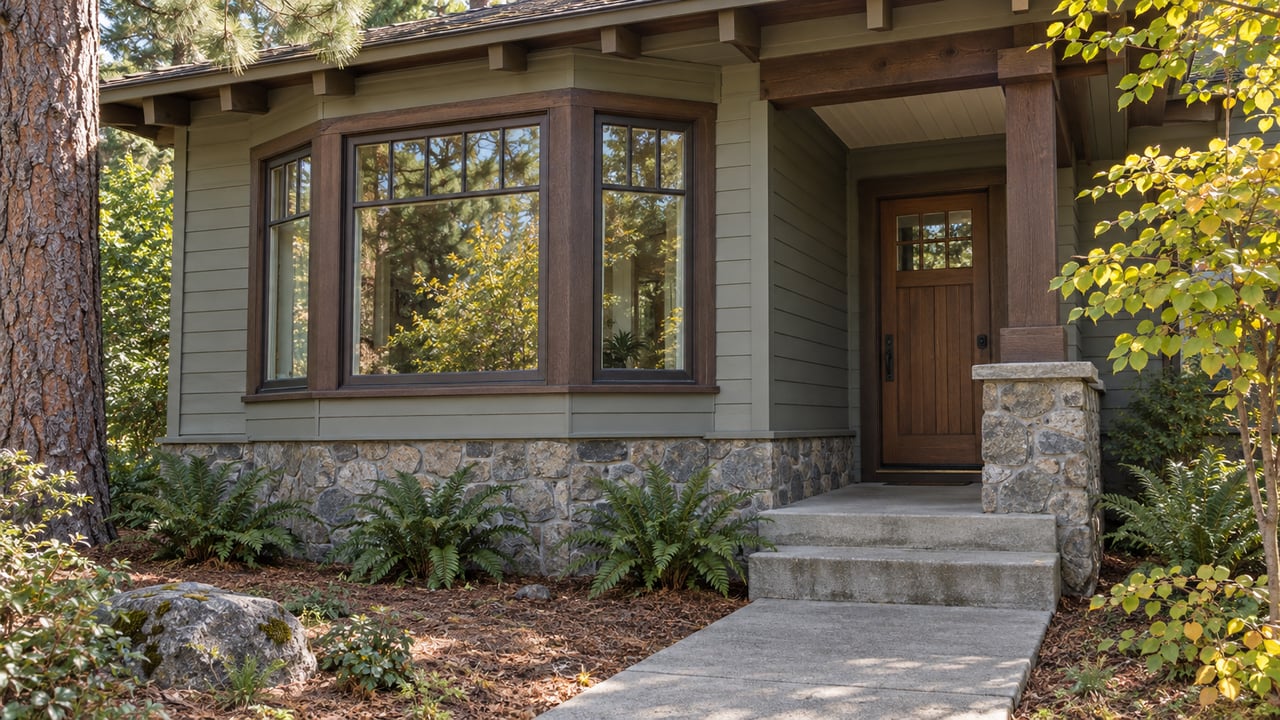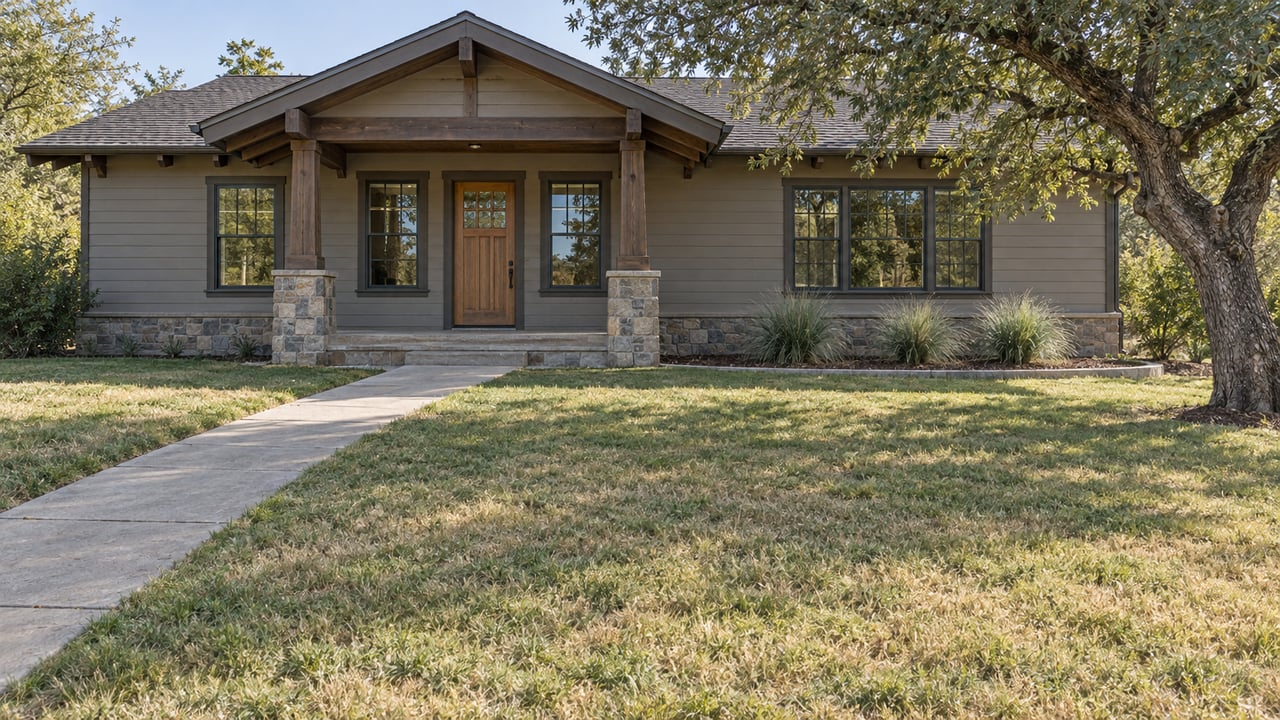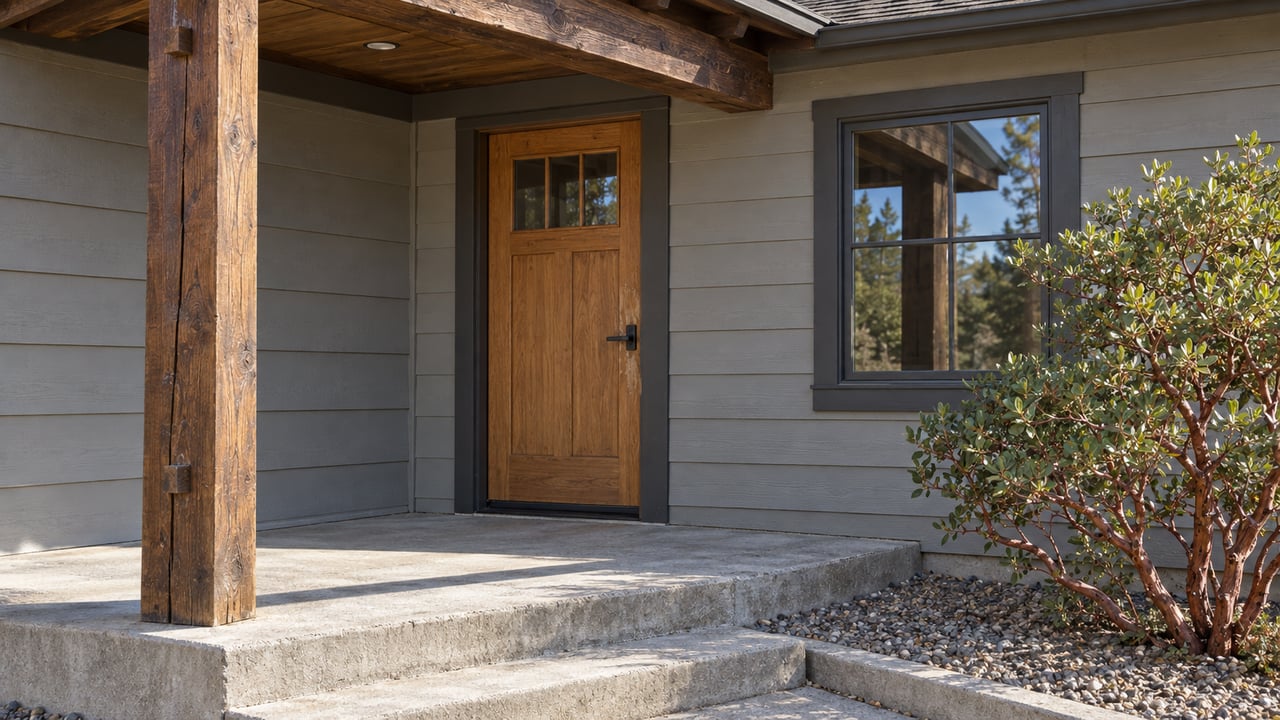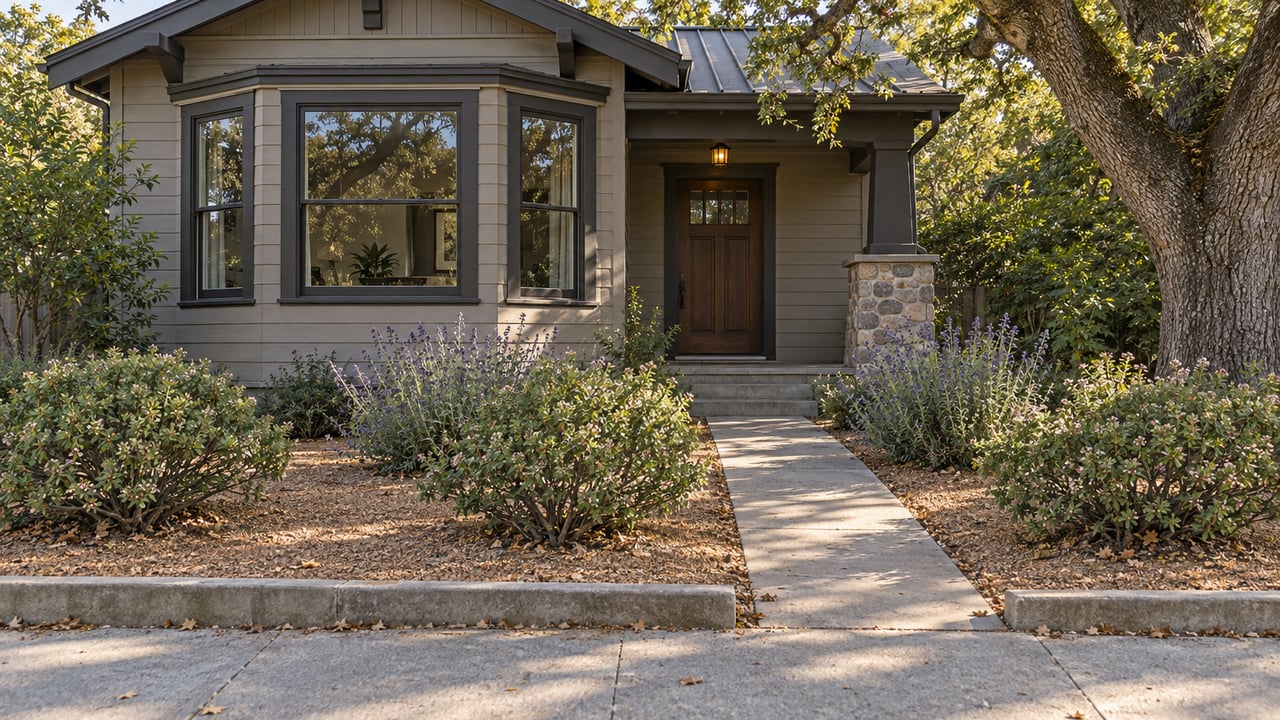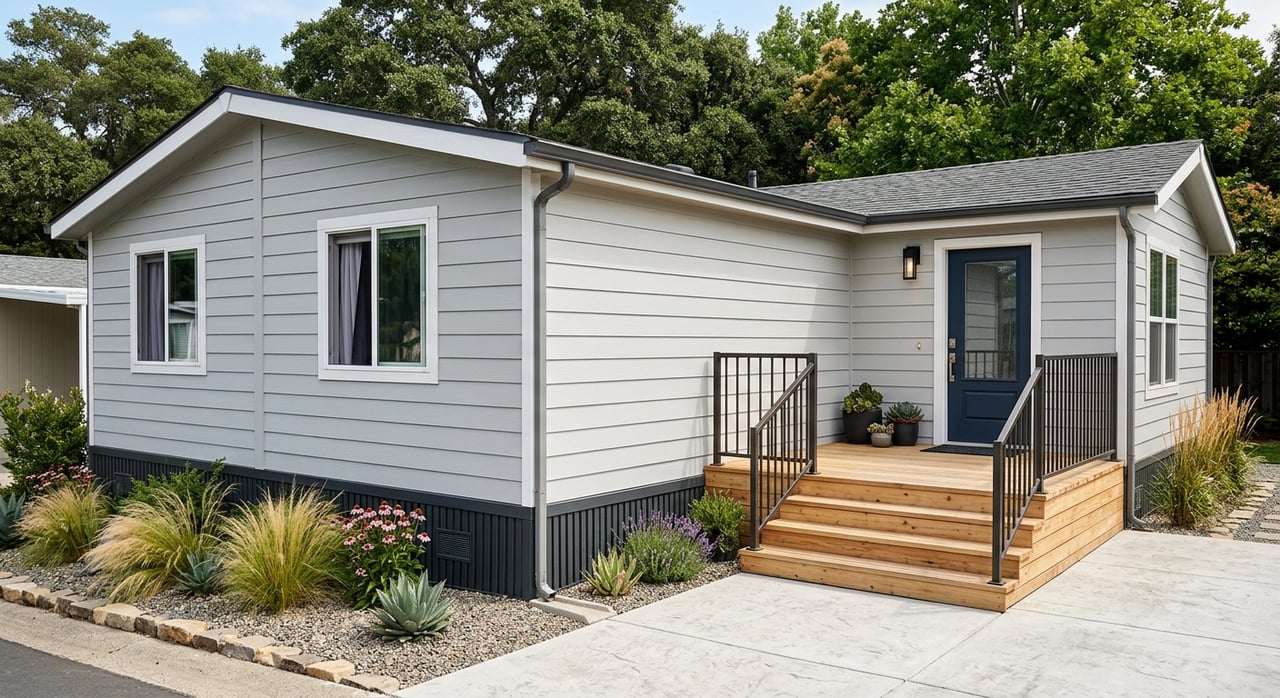
Wondering whether a manufactured home in Anderson is a smart path to homeownership? You are not alone. For many buyers, these properties can offer a more attainable way to buy in Shasta County, but the details matter more than many people expect. If you understand zoning, installation, title status, and financing before you write an offer, you can avoid costly surprises and shop with more confidence. Let’s dive in.
Manufactured Homes in Anderson
In Anderson, manufactured homes are not treated as one isolated housing category. City code allows manufactured homes in several residential settings, including R-1, R-E, and R-2 zones when local requirements are met.
That matters because your options may look very different depending on the property. You may be looking at a manufactured home on its own lot, a home in a rural-estate setting, or a home in a mobile home park where the space is rented or leased.
Where You Can Buy
For many buyers, the first question is simple: can you buy a manufactured home in a typical Anderson residential area? Often, yes. Anderson zoning allows manufactured homes in multiple residential districts, which means some properties can fit into areas that feel similar to other single-family housing patterns.
A park purchase is different. In Anderson, a mobile home park is a separate land-use type, and in R-2 zones it requires use-permit review. If you are considering a home in a park, you are not just evaluating the home itself. You are also evaluating the lease or rental arrangement for the space.
City or County Rules Matter
One of the most important early steps is confirming whether the property is inside Anderson city limits or in unincorporated Shasta County. That single detail can change which agency handles permits and what site review may be required.
In unincorporated Shasta County, the Building Division advises applicants to verify current zoning by APN. County review may also involve fire approval, driveway access review by Public Works or Caltrans, and clearances for septic, well, sewer, or water service.
For land-based purchases, the county process can be a major part of your timeline and budget. Shasta County also notes that manufactured-home utility permits can cover grading, driveway construction, and utility installation.
Installation Can Affect Your Plans
If you are buying a manufactured home on land, installation standards are a big part of the decision. Shasta County’s guidance shows that the rules can vary depending on whether the home is installed on piers or on a foundation system.
For a pier setup in a zone that allows mobile homes, the county says there is no age limit, though snow-load requirements still apply. For a home going on a foundation system in a zone that allows only conventional home construction, the county requires roof-load compliance, a foundation enclosure, an engineered or approved foundation system, HUD certification, and generally a maximum age of ten years from manufacture to the building-permit application date, with a limited exception for certain older homes installed before March 28, 1995.
This is where buyers sometimes get tripped up. A home may seem financeable based on a lender’s guidelines, but that does not automatically mean it meets local installation rules. Local approval and lender approval are separate issues.
Age and HUD Code Checks
The age of the home matters, but not for just one reason. It can affect local installation eligibility, financing options, and future resale.
HUD states that manufactured homes built on or after June 15, 1976 are built to federal manufactured-home standards. Homes built before that date are generally not eligible for FHA-insured Title II financing.
When you tour a property, ask about the HUD label and data plate. California HCD says the HUD label is a red plate on the outside rear of the home, and the serial number or data plate may be attached to an interior wall or cabinet surface.
Condition Checks You Should Not Skip
A manufactured home purchase is about more than curb appeal. Condition and documentation go hand in hand, especially if the home is on land and installed as part of a real-property transaction.
For homes placed on a foundation system in Shasta County, county standards call for items such as tie-down information, floor plans, a plot plan, and roof and foundation details. As a buyer, it helps to ask for installation paperwork, proof of the foundation system, any 433A documentation if the home has been converted, and evidence that the roof, enclosure or skirting, and utility connections were completed to code.
A practical buyer checklist includes:
- HUD label
- Data plate or serial number information
- Title or registration records
- Foundation or 433A documentation, if applicable
- Tie-down information
- Roof condition
- Utility hookup records
- Zoning and permit clearance for the site
If any of those pieces are missing, it does not always mean the deal is impossible. It does mean you should slow down, verify the facts, and understand how the missing records could affect financing or resale.
Personal Property or Real Property
This is one of the biggest issues in manufactured-home purchases. You need to know whether the home is being transferred as personal property or as real property tied to the land.
California HCD says that when a manufactured home is installed on a foundation system, it is no longer registered by HCD. That means the transfer process can look very different depending on whether the home remains under HCD titling and registration rules or has been converted into a real-property asset.
Shasta County’s materials reinforce that distinction by noting manufactured homes on the real-property side of the process are subject to local property tax. For you as a buyer, that title status can shape financing, closing steps, and how the property is marketed in the future.
Financing Depends on the Setup
The biggest financing question is usually whether you are buying the home and the land together. That setup often determines whether you are looking at a mortgage-style loan or a home-only loan.
The Consumer Financial Protection Bureau says manufactured homes can be financed either as real-property mortgages or as chattel loans secured by the home only. It also found that chattel loans generally have higher interest rates and fewer consumer protections than mortgages.
If the lot is leased, financing may fall into the home-only category. HUD says its Title I program can be used for a manufactured home purchase or refinance, and when the lot is leased, the initial lease term must be at least three years.
If the home is financed more like a standard real-estate purchase, FHA’s Title II path generally requires the home to be at least 400 square feet, built on or after June 15, 1976, installed on a permanent foundation, classified as real estate under state law, and financed together with the site.
Conventional financing can also be an option in some cases. Fannie Mae defines a manufactured home as a HUD-code dwelling that is at least 400 square feet, at least 12 feet wide, built on a permanent chassis, installed on a permanent foundation system, and titled as real estate. Fannie Mae also states it no longer requires the old ten-year age limit for certain single-width manufactured-home loans.
That said, lender guidelines do not replace local rules. A lender may be open to a home that still does not qualify for a specific installation path in Shasta County.
Questions to Ask Before You Offer
Before you move forward, ask direct questions and get documentation early. Manufactured-home deals tend to go more smoothly when you clarify the basics before you negotiate repairs, timelines, or financing.
Start with these:
- Is the property inside Anderson city limits or in unincorporated Shasta County?
- Is the home in a residential zone, rural-estate setting, or a mobile home park?
- Is the home on leased land or land that is part of the sale?
- Was the home installed on piers or on a foundation system?
- Is there proof of foundation work or 433A documentation?
- Does the seller have the HUD label, data plate, and title history?
- Are utility connections, skirting or enclosure, and tie-downs documented?
- Are there any zoning, permit, driveway, septic, well, sewer, or water clearances still needed?
The more complete the answers, the better you can judge true value and avoid last-minute surprises.
Why Local Guidance Helps
Manufactured homes in Anderson can be a great fit for buyers who want flexibility, land options, or a lower entry point. But they also come with more moving parts than many buyers expect.
A local agent who understands Anderson and the wider Shasta County process can help you compare properties more clearly, spot red flags sooner, and ask better questions about zoning, title, and installation. That kind of guidance can save time and help you make a more confident decision.
If you are thinking about buying a manufactured home in Anderson, Dustin Foster can help you evaluate land, title status, and property setup so you can move forward with clarity.
FAQs
Can you buy a manufactured home in a regular Anderson neighborhood?
- Often yes. Anderson allows manufactured homes in several residential districts, including R-1, R-E, and R-2, when applicable requirements are met.
What should Anderson buyers know about mobile home parks?
- A mobile home park is a separate land-use type where spaces are rented or leased, and in Anderson’s R-2 zone it requires use-permit review.
Does the age of a manufactured home matter in Anderson?
- Yes. Age can affect local installation eligibility in Shasta County, FHA Title II financing eligibility, and sometimes conventional loan options.
How do Anderson buyers verify a manufactured home is HUD-code?
- Ask for the HUD label and data plate. HCD says the HUD label is a red plate on the outside rear of the home, and the data plate may be attached to an interior wall or cabinet surface.
What is the difference between personal property and real property for a manufactured home?
- It depends on title status and whether the home has been installed on a foundation system and converted through the appropriate HCD and local recording process.
What should buyers inspect before buying a manufactured home in Anderson?
- At minimum, review the HUD label, data plate, title history, foundation documents, tie-downs, roof condition, utility hookups, and site zoning or permit clearance.